A Grave Beside the School Walls?
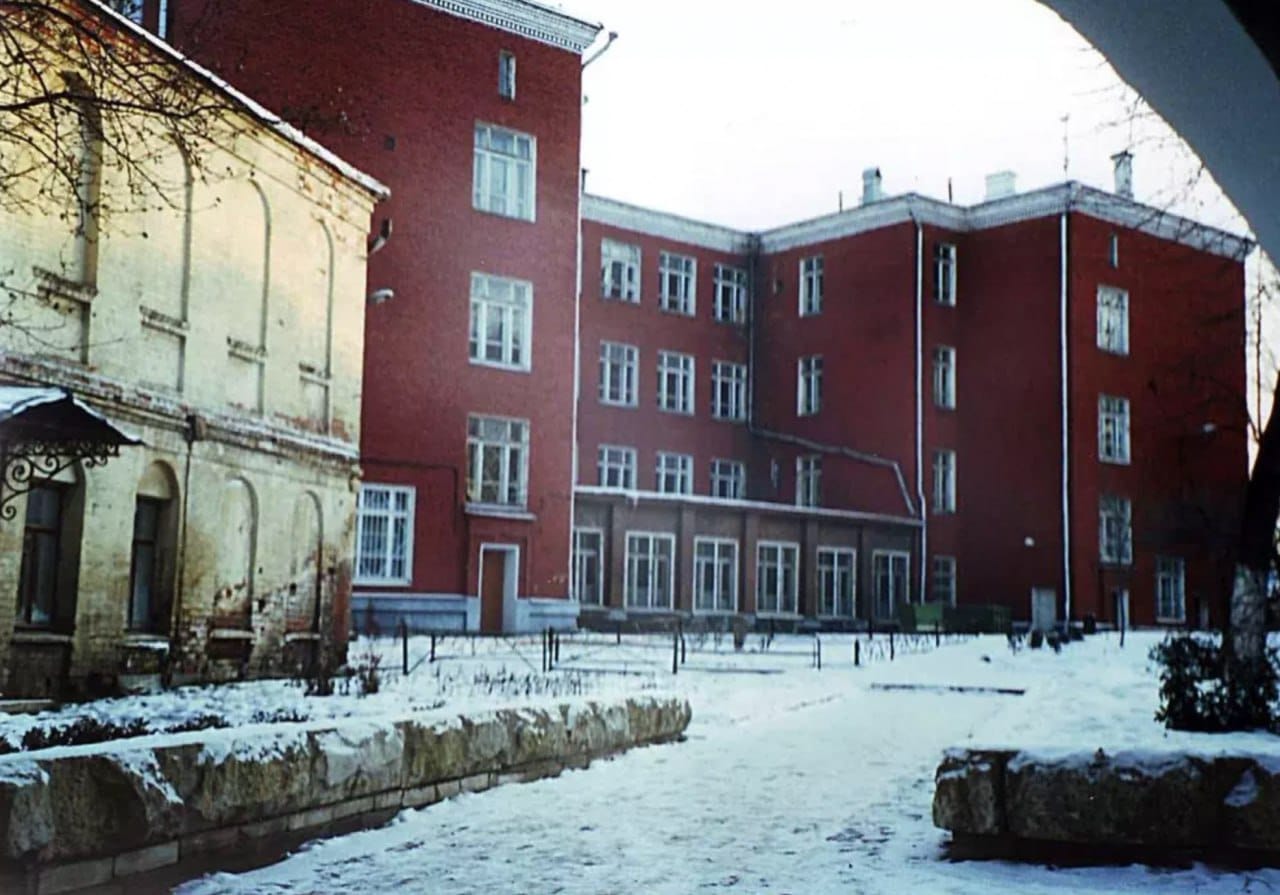
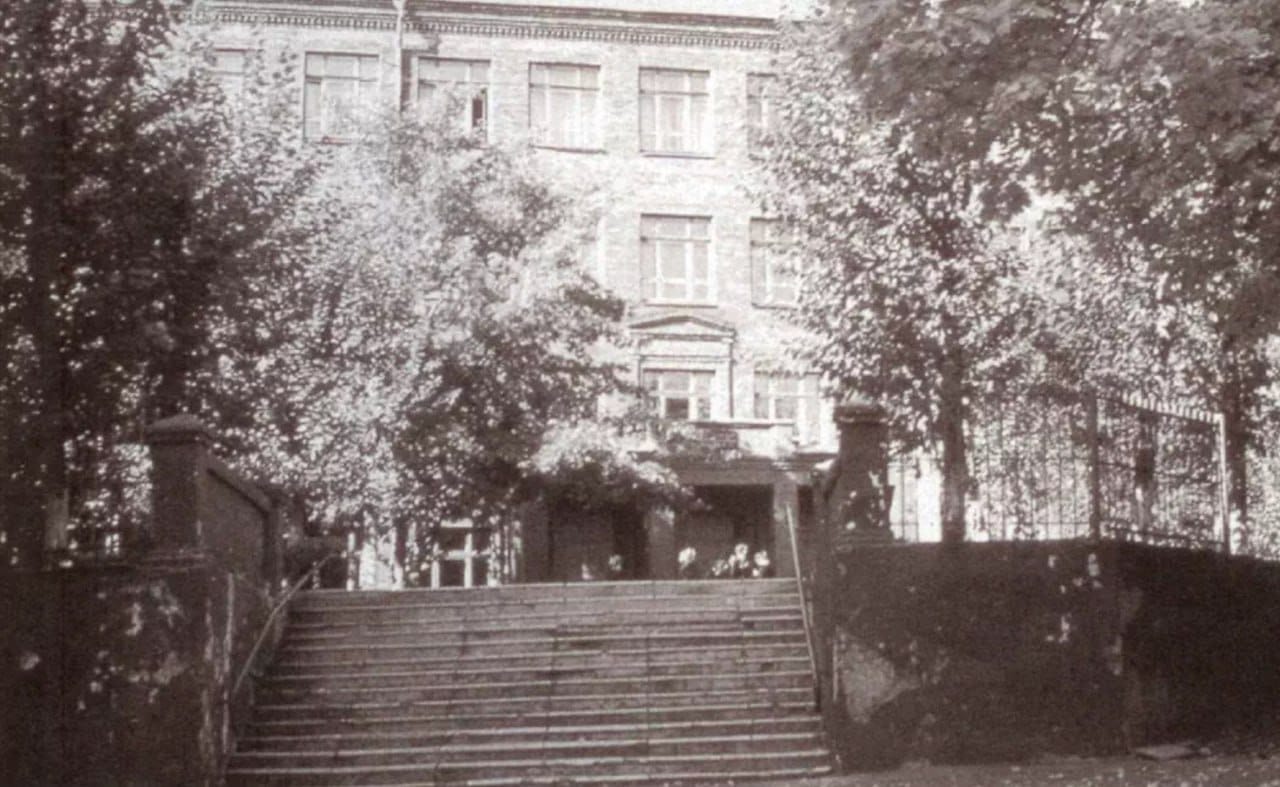
It was an interesting spot in Moscow, and surely some of my subscribers remember the building of School No. 36, which operated until 2002 inside the Conception Convent on Ostozhenka.
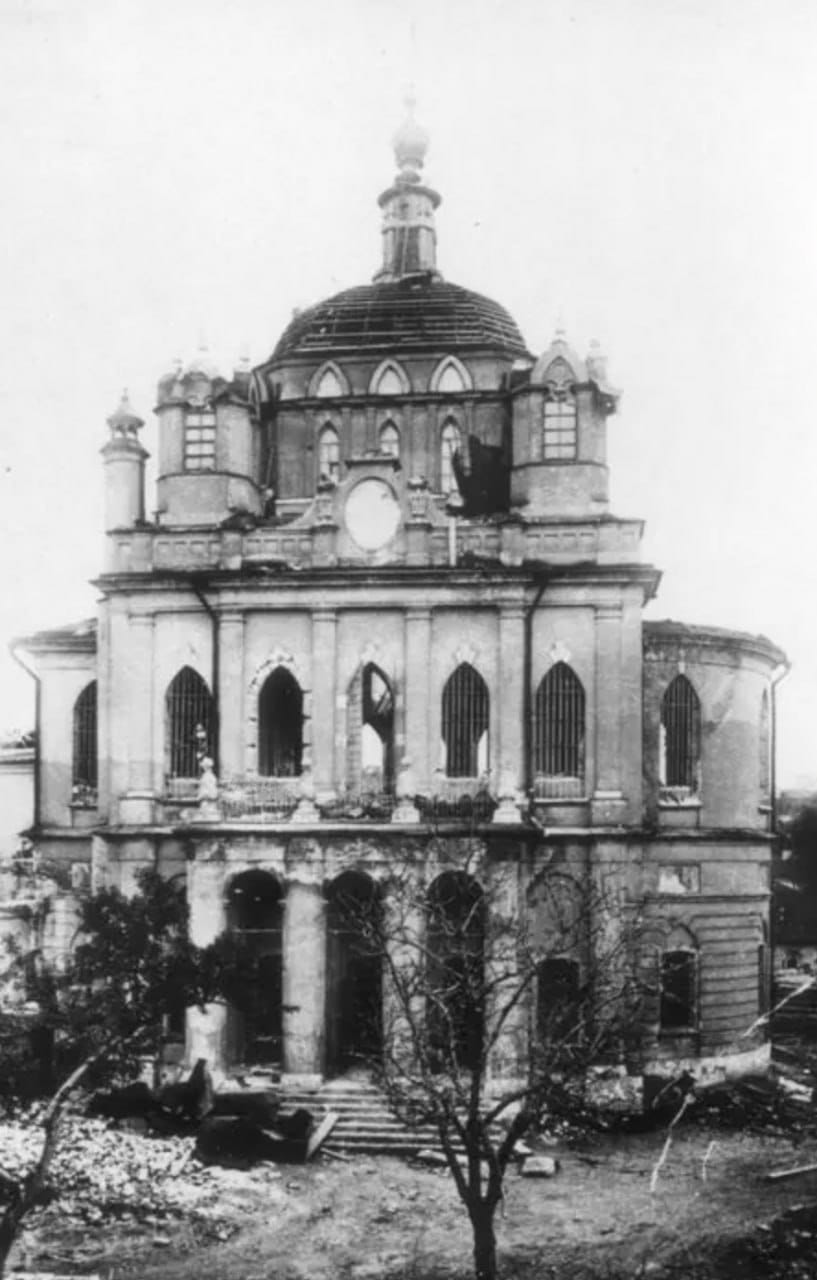
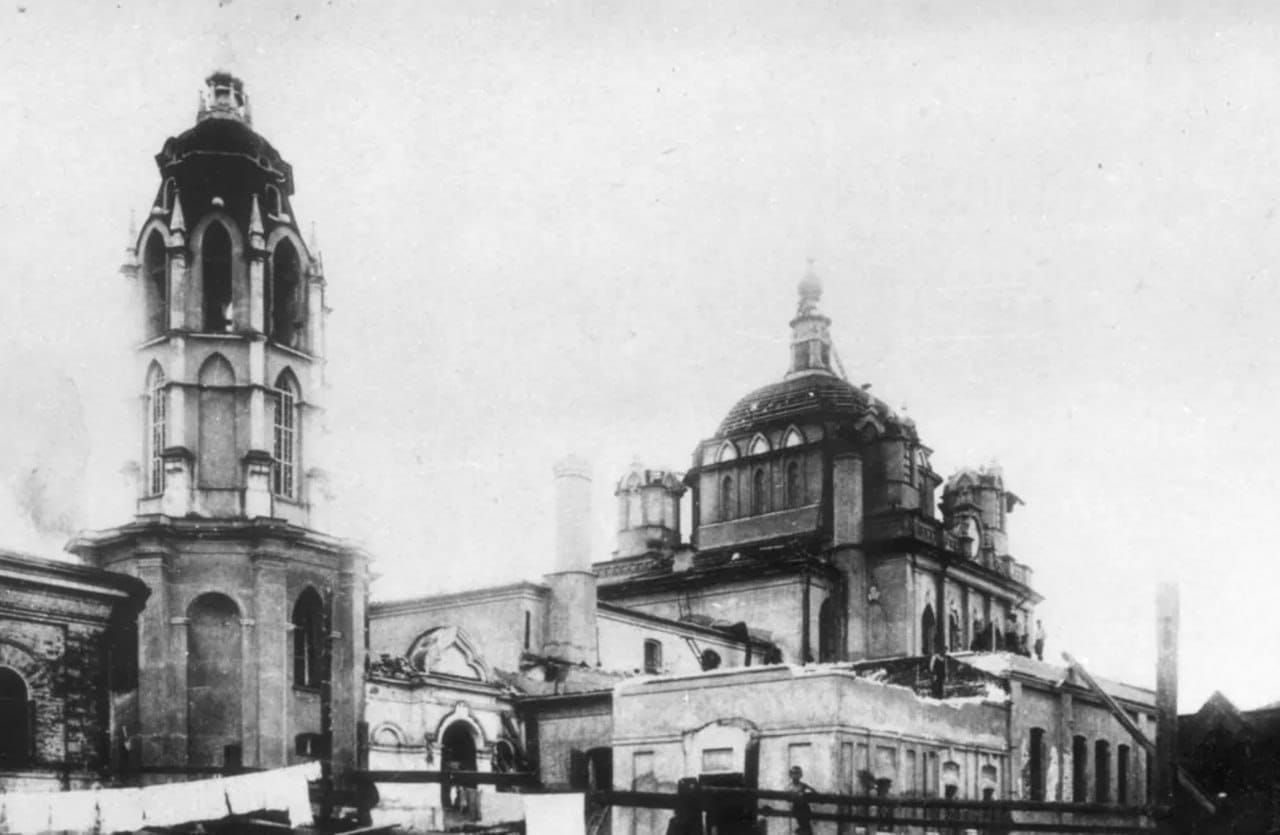
The school building went up in 1936 on the site of a demolished church, the only pseudo-Gothic cathedral of the early nineteenth century in Moscow: the Cathedral of the Nativity of the Mother of God. Its authorship has still not been established. Rodion Kazakov is named, and Matvey Kazakov and his son Matvey too, though the name of Mikhail Bykovsky now figures, not without good reason, among the possible authors of the design.
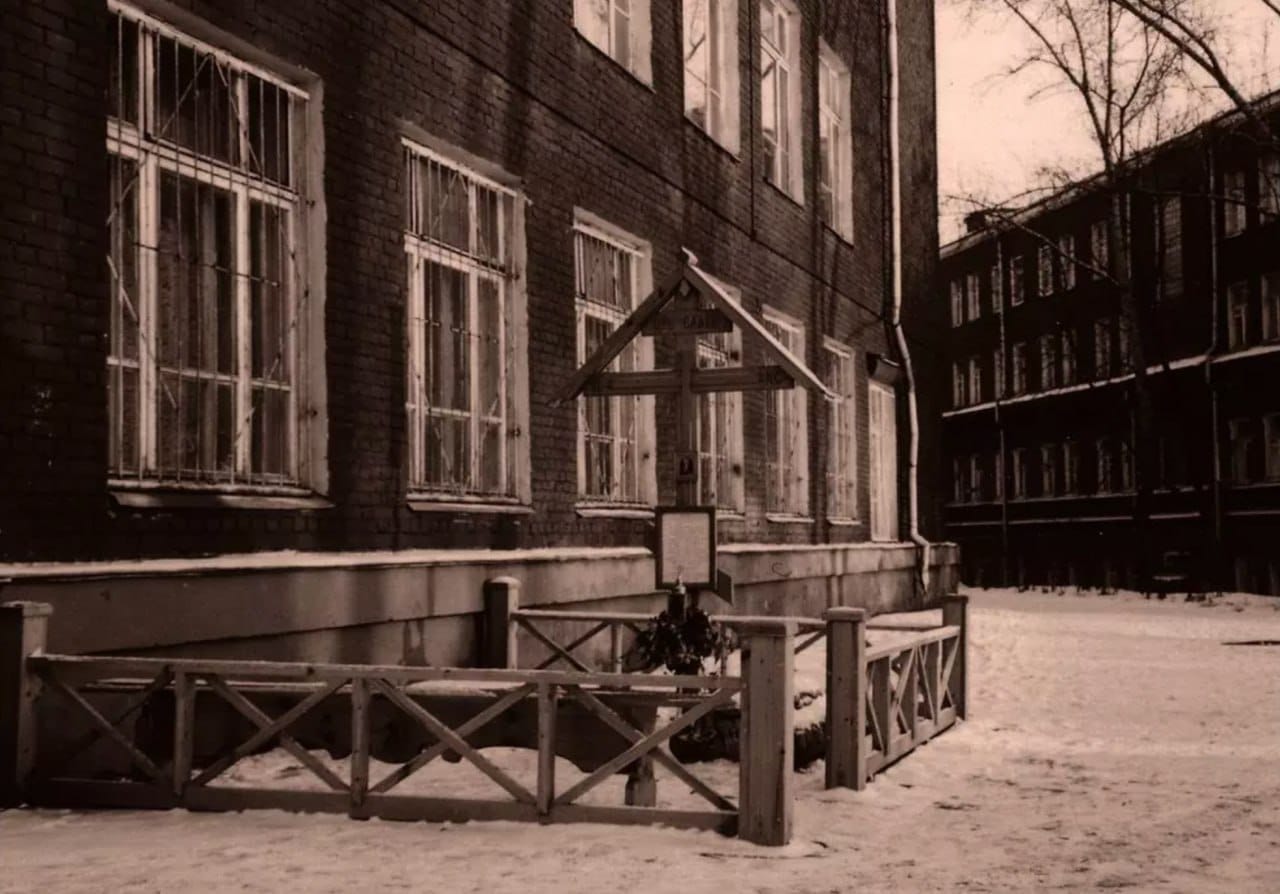
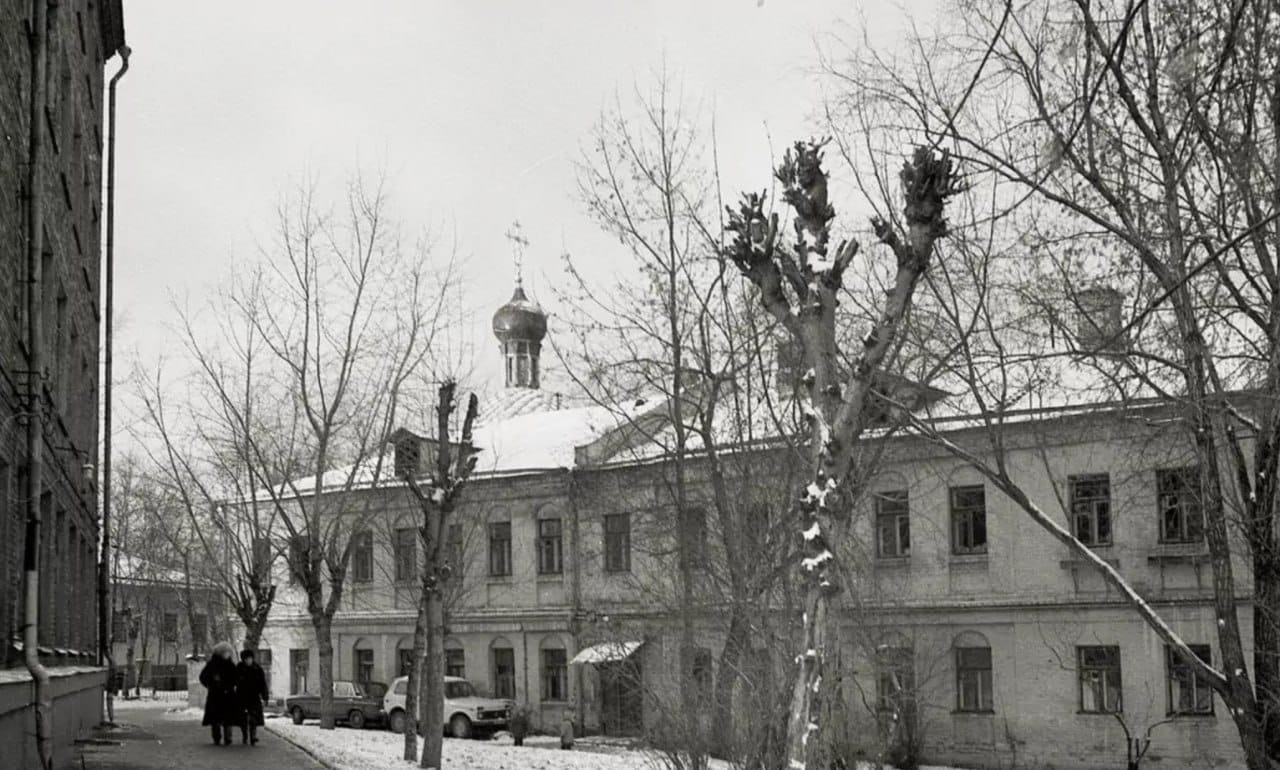
The school was built to a standard design, and the most unusual thing about it was what went on outside. Imagine: a secondary school enclosed by ancient convent walls, with old stone sarcophagi standing all around, cocks still crowing here and there beyond the walls, and the nature corner housed in a church cellar (today that room is the church shop). In the 1960s, during engineering excavations not far from the school, ancient burials were turned up out of the ground, and human bones lay scattered everywhere.
Films set in old Moscow were shot inside the convent and its surroundings. These include not only The Cigarette Girl from Mosselprom of 1926, but also the later The Meeting Place, Doctor Vera, A Mother's Heart and Proceed to Liquidation. Beside the school, for quite a long time, stood the VGIK hostel as well, home to students and film people alike, so that the children born to them quite literally came into the world in the Conception Convent.
When the cathedral and the convent buildings inside the Conception Convent for nuns were being demolished, it was planned to build a Small Palace of Soviets on the site, but the money ran out and it was decided to build a school instead. School No. 36 was moved here from the building that now houses the Maurice Thorez Institute of Foreign Languages.
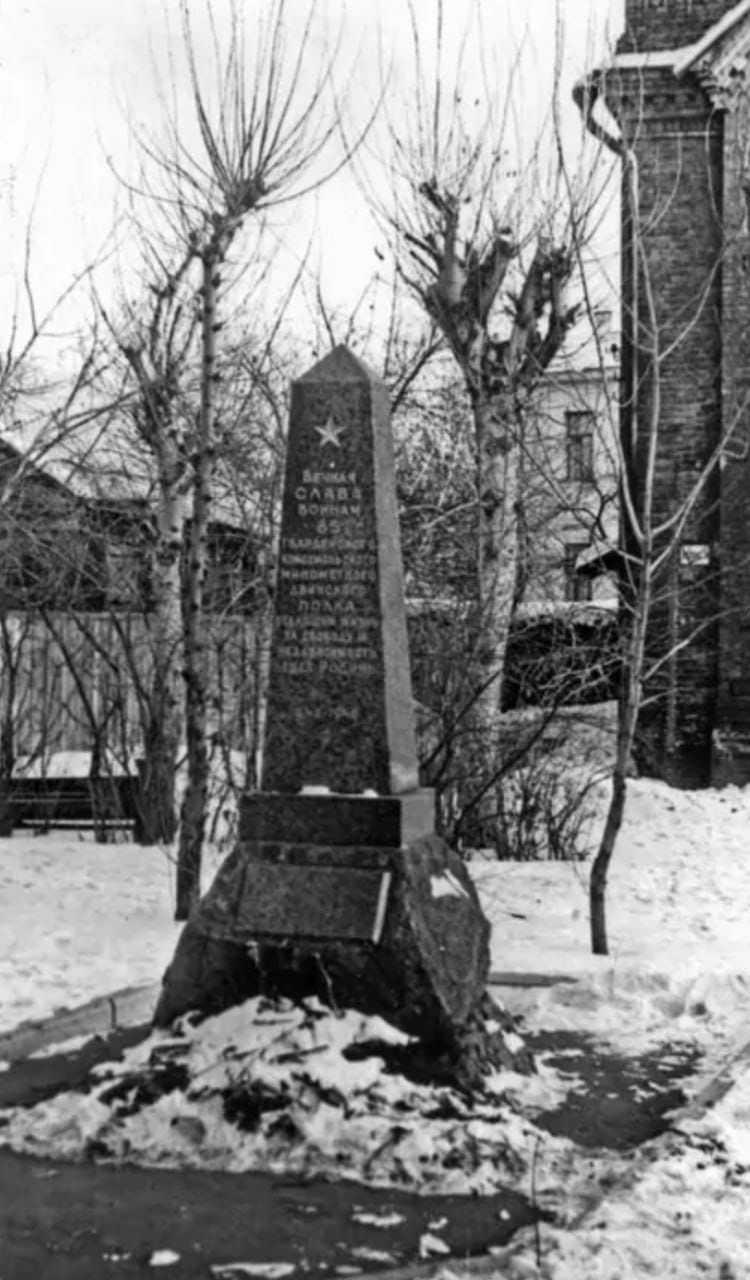
In 1957, beside the school, an obelisk was erected, paid for with money earned by the schoolchildren, in memory of the soldiers of the 85th Guards Komsomol Mortar Dvinsk Regiment. Later a museum of that regiment was opened at the school. In 1943 the school received a letter of thanks from Stalin because its pupils had collected scrap metal for the building of a tank column. It sounds slightly strange now, but for many years the school kept a tradition of carrying Stalin's letter, in its frame, out of the building to the assembly on the first of September and handing it to a first-former, who held the relic in the middle of the parade ground while the headmaster told the story of how this gratitude came about, which everyone, naturally, knew by heart. After the school was demolished, the obelisk, together with the museum, was, I believe, moved to Gymnasium No. 1529. I do not know whether they have survived these twenty years.
When the convent was revived in 1995, the school carried on working, now in the company of nuns, but this did not last long: in 2002 it was quietly closed and soon afterwards demolished. The cathedral that stands in the convent now was built on precisely that spot, but to a completely different design, one that has nothing in common with the historical, "Kazakov" original.
At the same time the Conception Lanes and the whole of Ostozhenka began to be built up at a rapid pace, turning what had been one- and two-storey old Moscow buildings with front gardens, orchards and ancient architecture into that very lifeless Golden Mile for elite gentlemen.