Mel Gibson Intends to Make a Series about the Siege of Malta
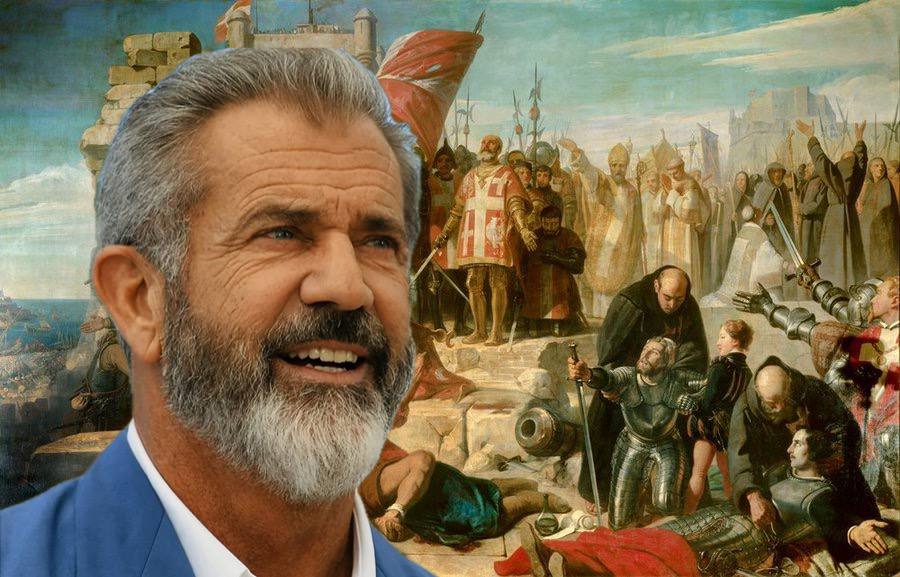
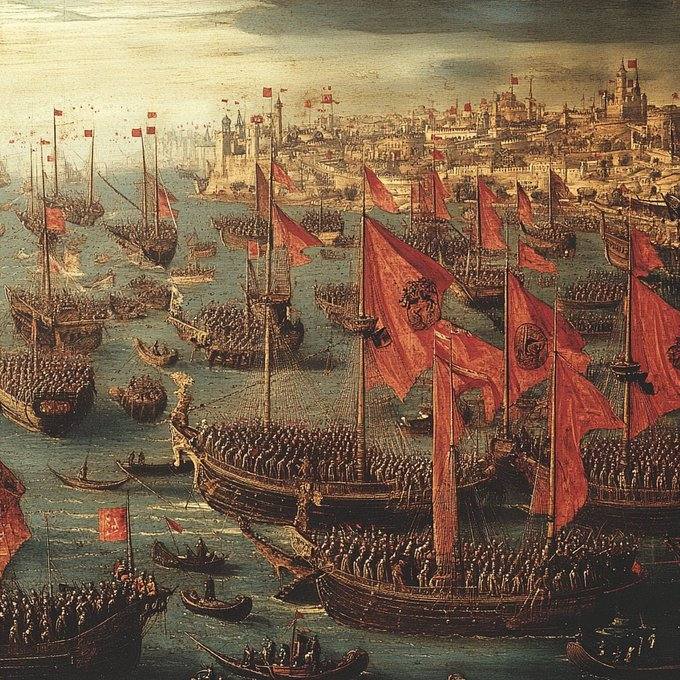
Well, it is high time to recall the triumph of the Christian defenders of a tiny island in 1565, when an Ottoman armada descended upon it. The Siege of Malta is one of the most heroic and most dramatic battles in history.
Malta remained the last bulwark of Christendom in the central Mediterranean, standing against the colossal forces of the perfidious Ottoman Empire, bent on destroying Christian Europe and the Christian faith. By that time the Ottoman Sultan Suleiman the Magnificent had already conquered vast territories in Europe, Asia and Africa.
Malta belonged to the devout Catholic order of warrior monks of Saint John, whom Suleiman had driven out of their former fortress on Rhodes. The small band of knights fortified Malta, having sworn to defend it as a bulwark of the Christian world. And the oath was kept.
Some 40,000 soldiers aboard hundreds of ships came out against 6,000 defenders of the Christian faith, led by the indomitable Grand Master Jean de Valette, under the protection of the Lord God Himself and the Most Holy Virgin Mary.
The Ottomans landed on Malta on 18 May 1565, confident that they would soon crush the Christian warriors. The repulse of the first assault on the city of Birgu and on Fort St Elmo, at the entrance to the Grand Harbour, became a symbol of Christian heroism. The defenders held out for weeks, and when the walls collapsed and the fort was taken, the survivors preferred martyrdom to capitulation, dying with the name of Christ on their lips. Despite their losses, the defenders of Malta refused to surrender. The deeply pious Grand Master de Valette reminded the knights that they were fighting not only for Malta but for the very future of the Christian world, and he himself closed a breach in the walls of Birgu, standing sword in hand against the base foe. All the churches of the island served ceaselessly to the glory of the Lord while the pitiless Ottomans attacked with fury.
On 7 September relief arrived on the island from Sicily, sent by the Spanish king Philip II. The final battle proved fatal for the Ottomans, who were routed and fled the field, abandoning their wounded and their guns.