Five installations at the festival in Kazan, where artists occupied 17 locations
I want to share the five most beautiful and, in my view, most significant art objects of the independent NUR International Media Art Festival, held in Kazan from 24 to 26 May, incidentally for the fourth time already.
A great many artists gathered, spread over 17 locations, so there was plenty to choose from.
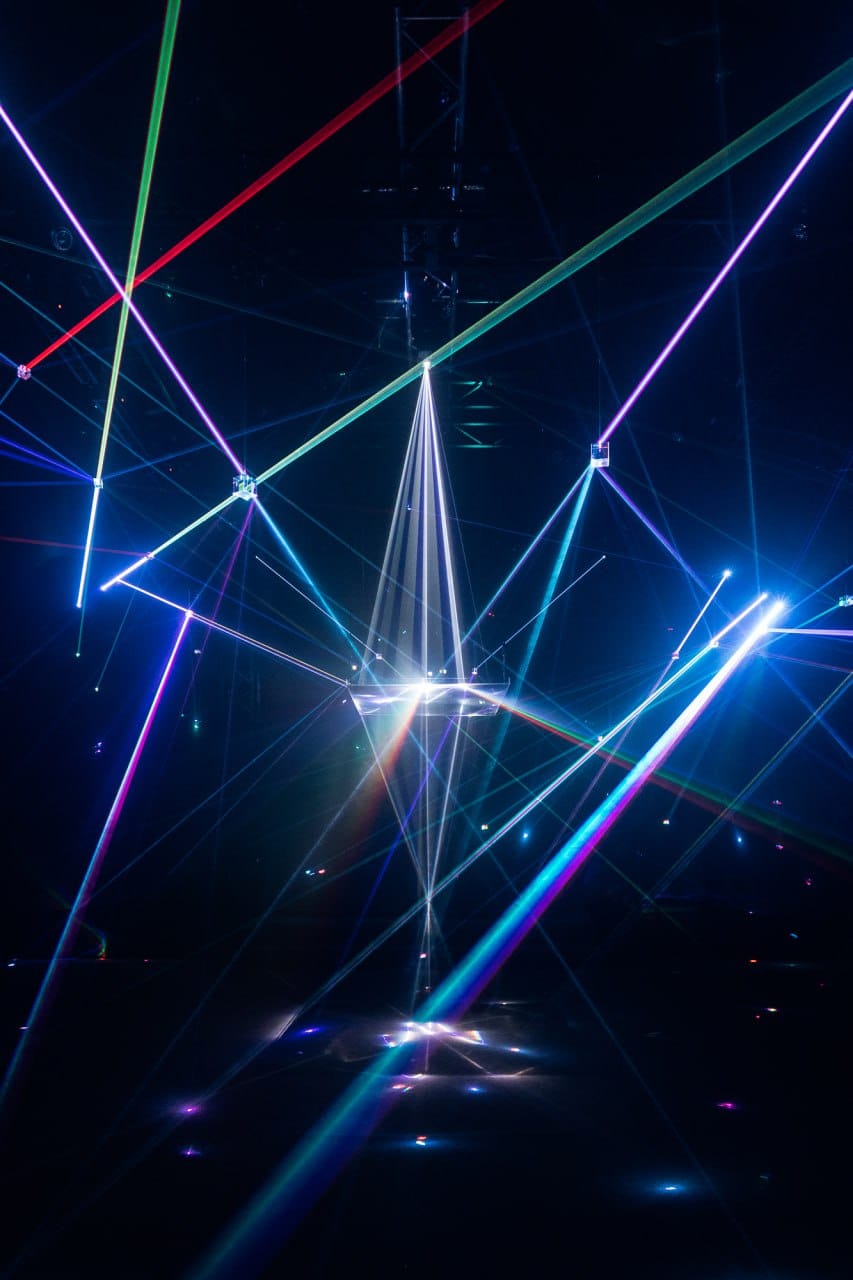
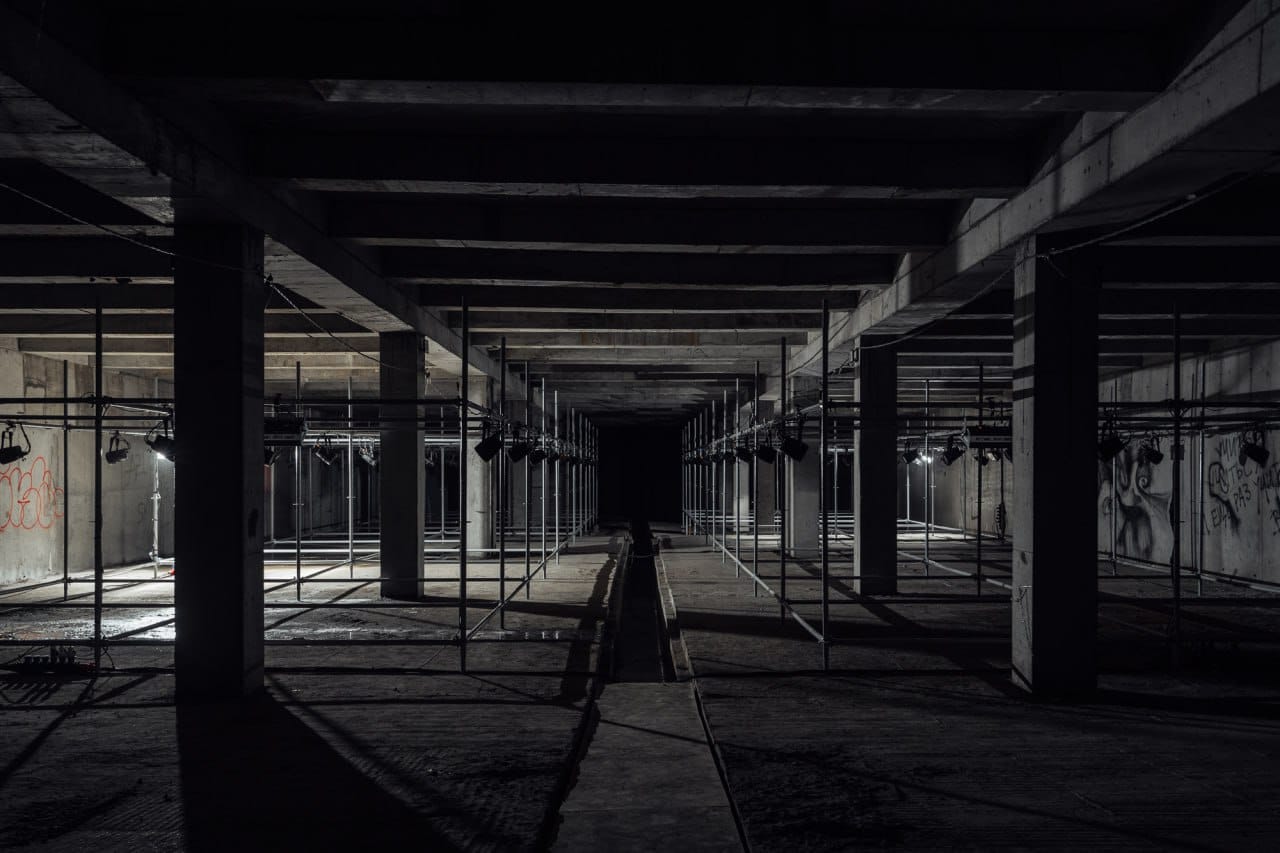
1. NONOTAK — Volume. Among the most eagerly awaited guests of the festival was the creative duo of the visual artist Noémi Schipfer from France and the architect and musician Takami Nakamoto from Japan, who did the set design for "John Wick 4". In Kazan they created a large-scale audiovisual installation in the underground section of the city's main pedestrian street.
2. LYM ART - Light Your Guide. The installation by one of the leading creative technology production studios explores light as something that permeates matter and becomes its integral part. The light installation, staged in the space of a historic mansion, was built on contact with the viewer's skin.
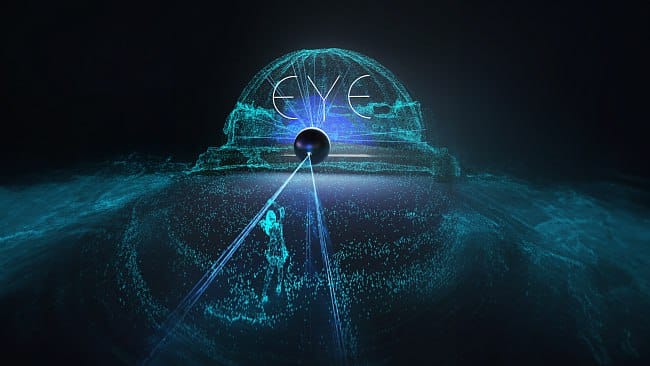
3. Ilia Balakin x EGO x Vsevolod Taran x Alexander Karelin x Atom — Eye. A group of independent artists erected a bandshell stage and turned it into the eye of an artificial intelligence. The pupil in front of the stage personifies the AI, which, with the help of neural networks, interprets in real time, in its own way, the human being and the space around him.
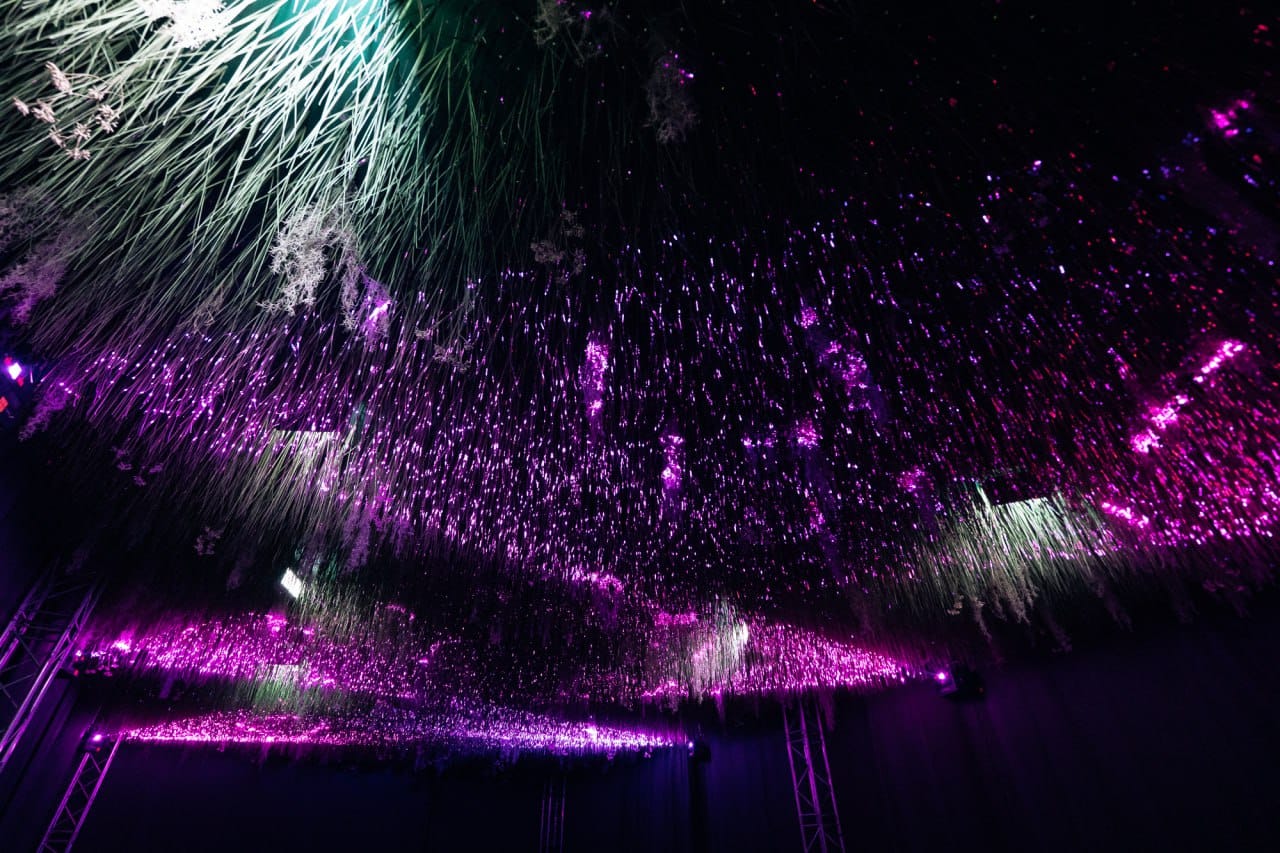
4. Tundra - The Day We Left Field. A project devoted to exploring how sound and visual images interact with human emotions. The installation shows nature, as it were, in its primal form: depicted as an inverted field, it is the "leading character" and invites viewers to look at their surroundings from a different angle.
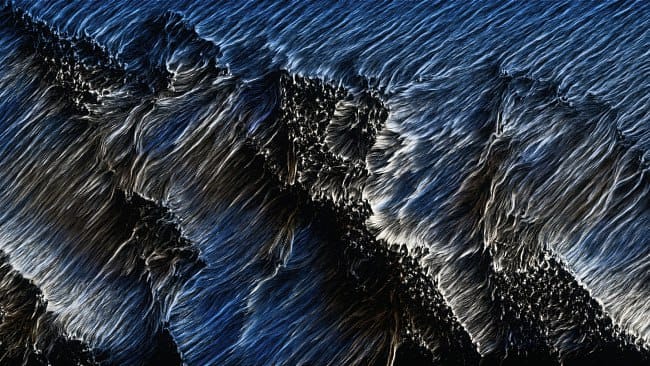
5. MILKORVA — Wuthering Summits. Nicolas Michel, who holds a master's degree in Contemporary Art from the Sorbonne, specialises in creating generative and immersive installations. In Wuthering Summits, an artificial intelligence, drawing on photographs of Alpine landscapes, gives birth to an alternative reality that emphasises the inexpressible aura of the mountains. Field recordings of the breath of the wind by Paul Kusnirek and music by Valentin Fayot help one to feel the spirit of the elements.