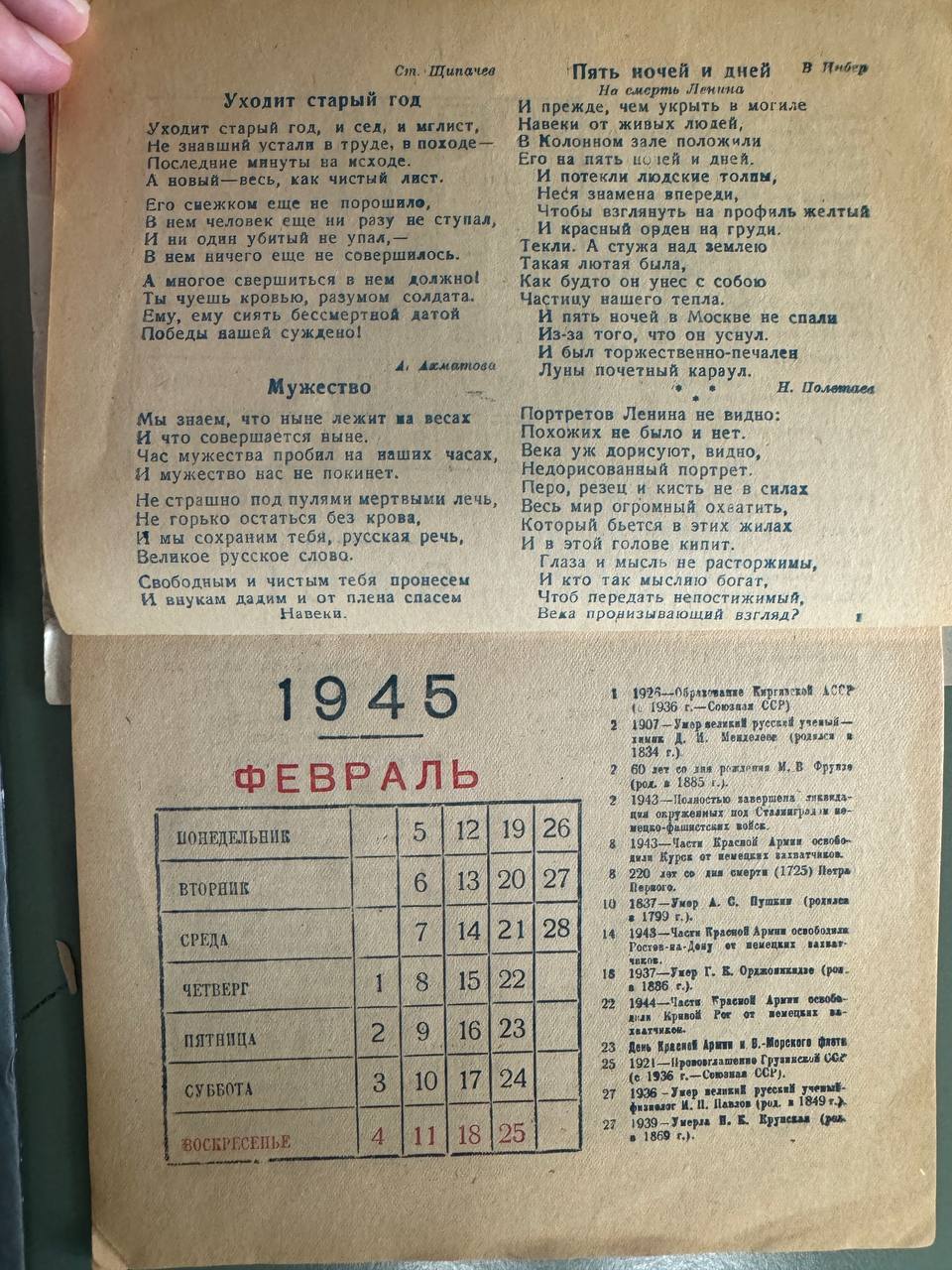
Sunday became the seventh day of the week in the USSR by decree of 26 June 1940
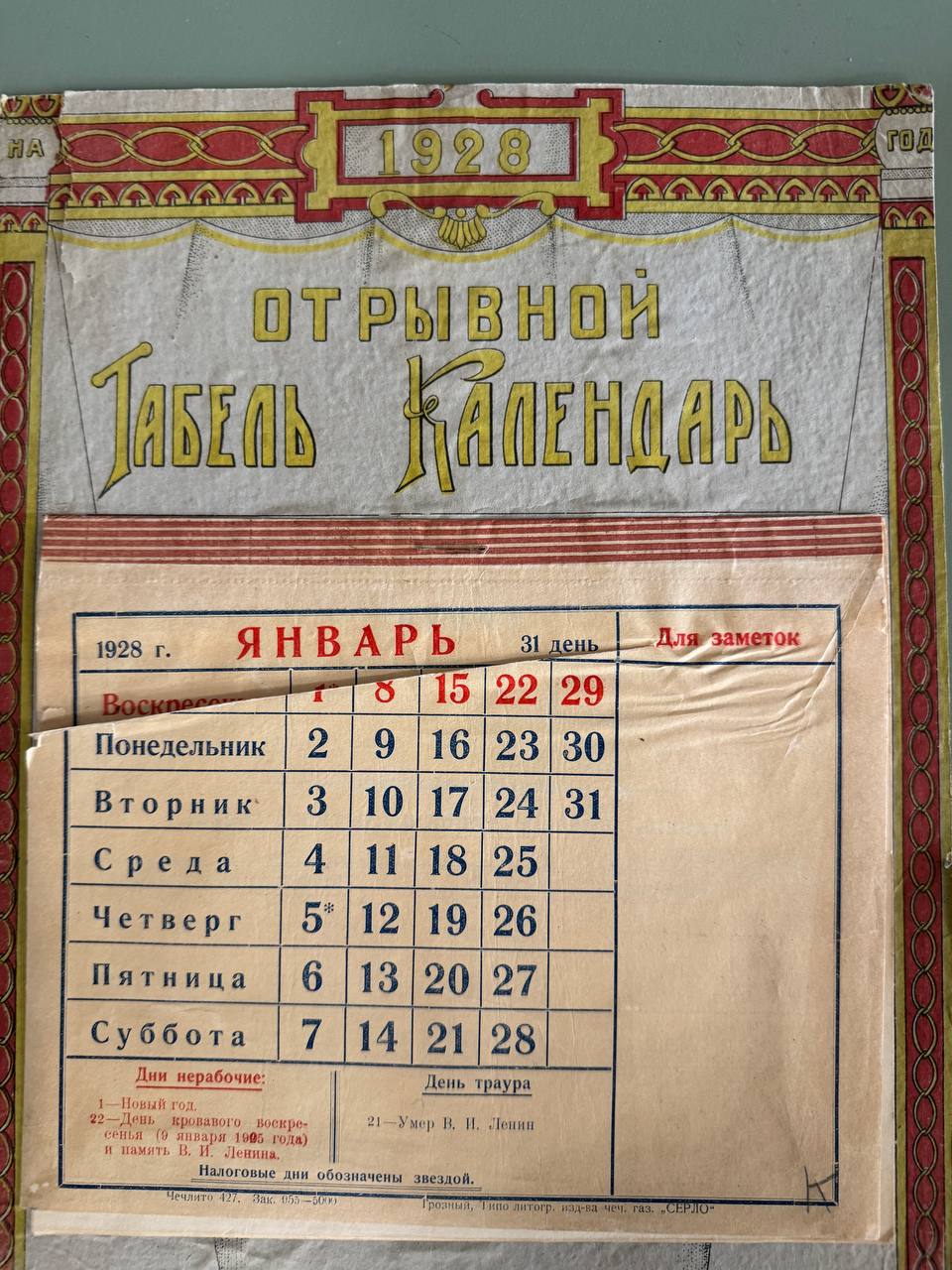
The calendars of 1928 and 1945. Spot the difference? Until 1940, in the USSR, as in many countries of the world, the first day of the week was the day of rest, Sunday.
The Russian word for week, nedelya, originally meant Sunday, and the days that followed were named according to their position relative to it: ponedelnik, "after the week" (Monday); vtornik, the second (Tuesday); chetverg, the fourth (Thursday); pyatnitsa, the fifth (Friday). So it was, and so it remains, in many languages of the world. Nedelya goes back to the verb "not to do", which fixes the special, festive or non-working status of the day.
Sunday became the seventh, rather than the first, day of the week by the Decree of the Presidium of the Supreme Soviet of 26 June 1940, "On the Transition to an Eight-Hour Working Day and a Seven-Day Week, and on the Prohibition of Unauthorised Departure of Workers and Employees from Enterprises and Institutions", signed by Kalinin: "To transfer all state, cooperative and public enterprises and institutions from the six-day to the seven-day working week, counting the seventh day of the week, Sunday, as the day of rest."