As promised, I return to my report on this season's fashion exhibitions in Paris
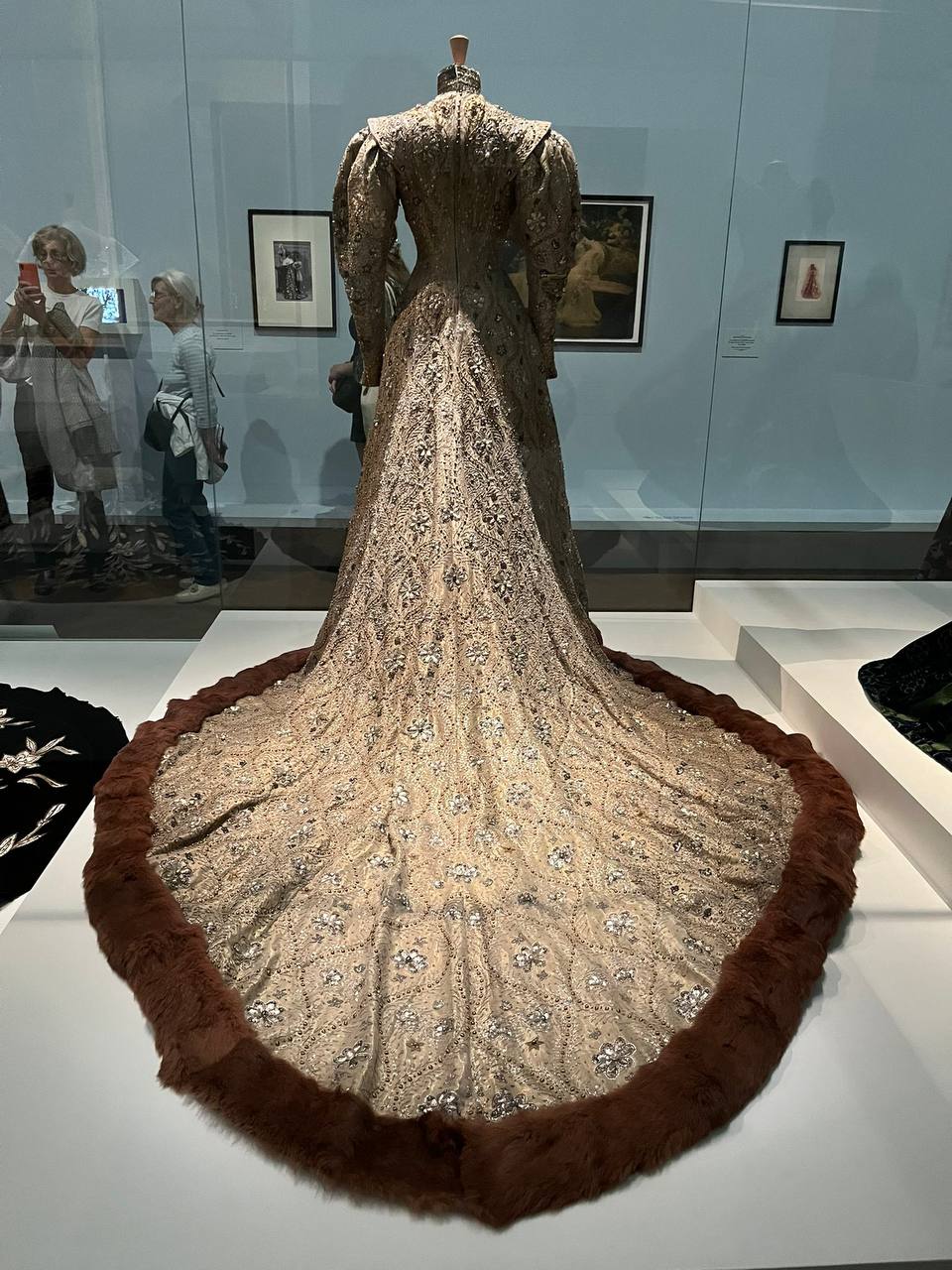
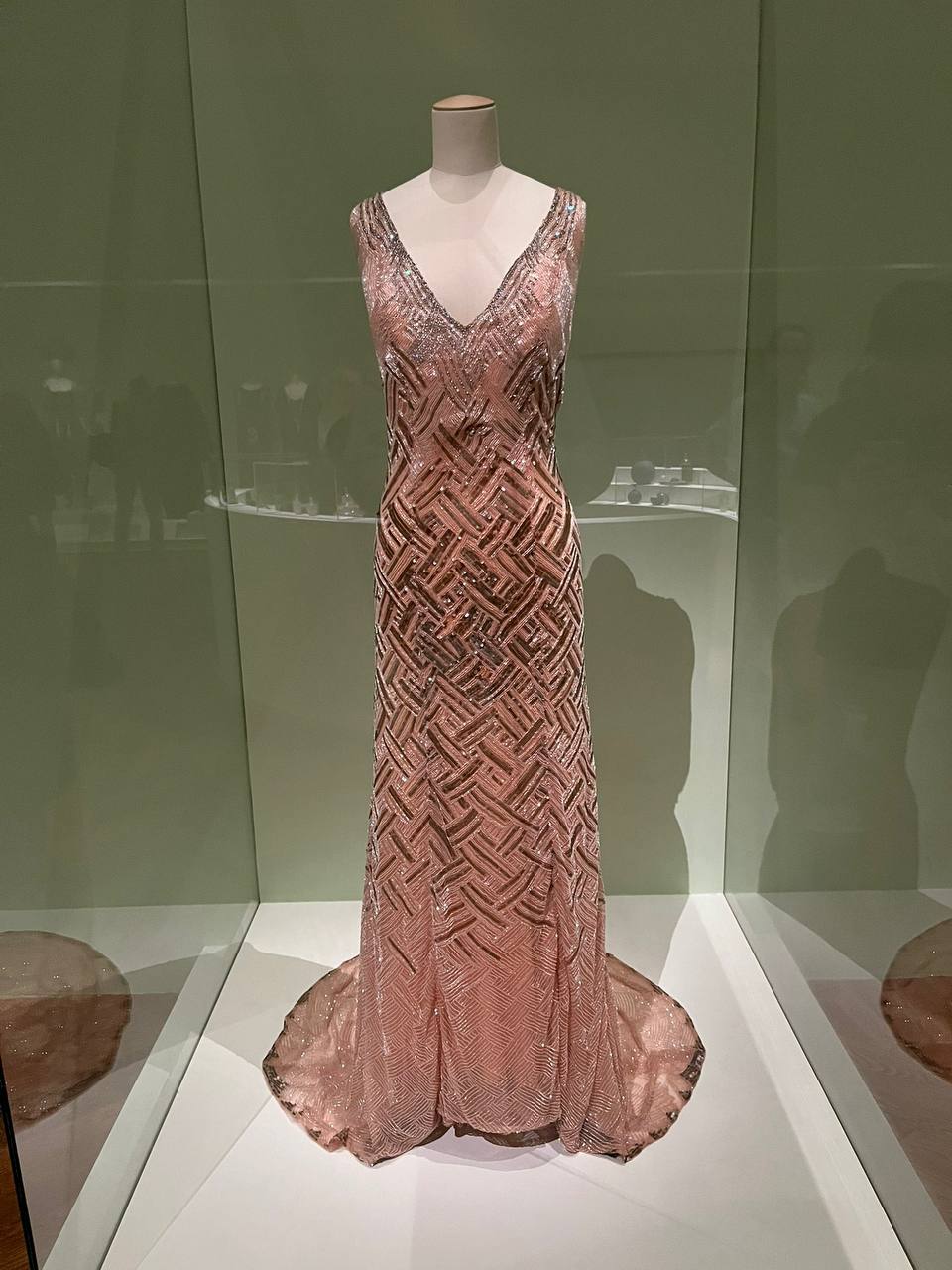
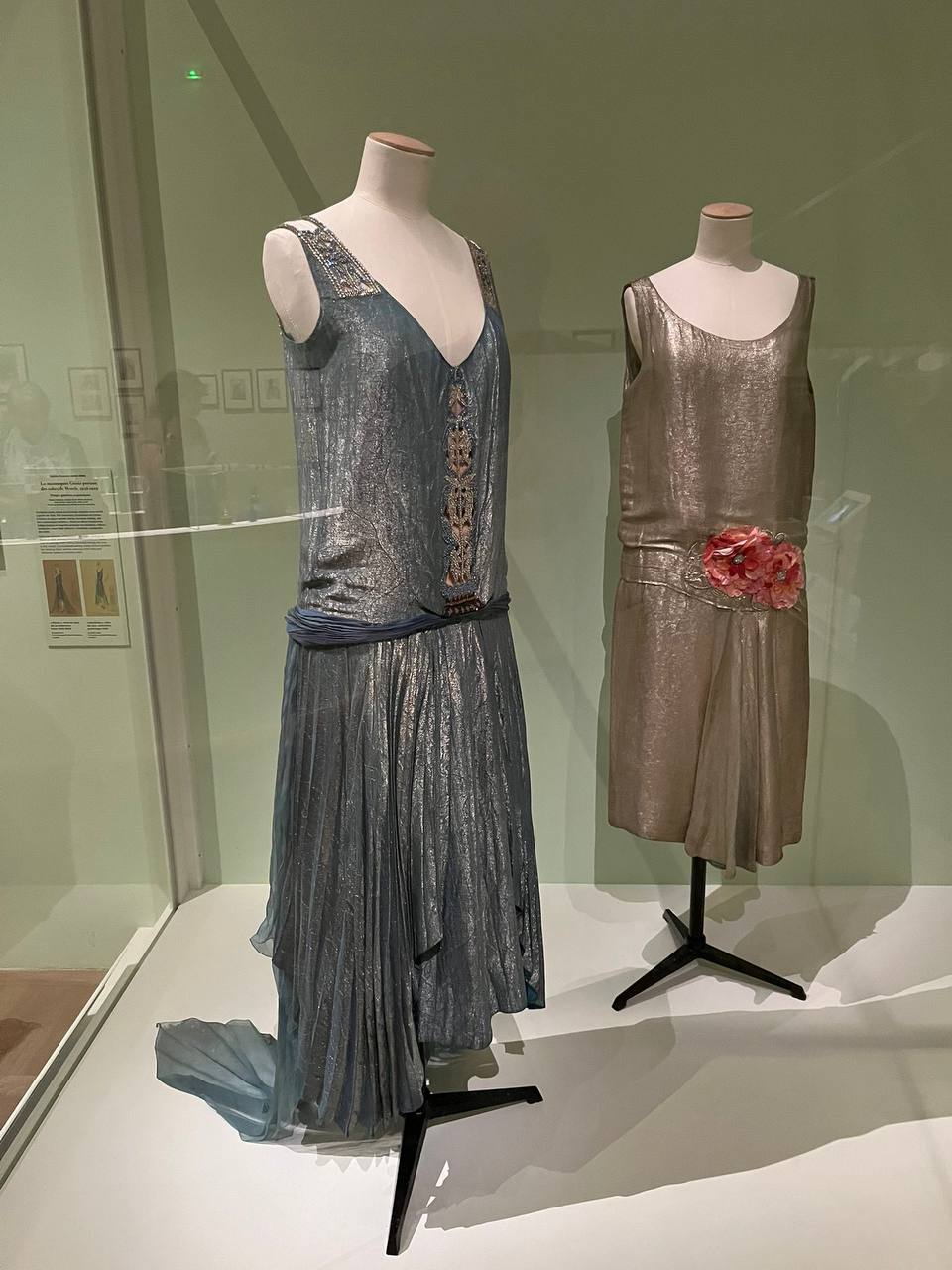
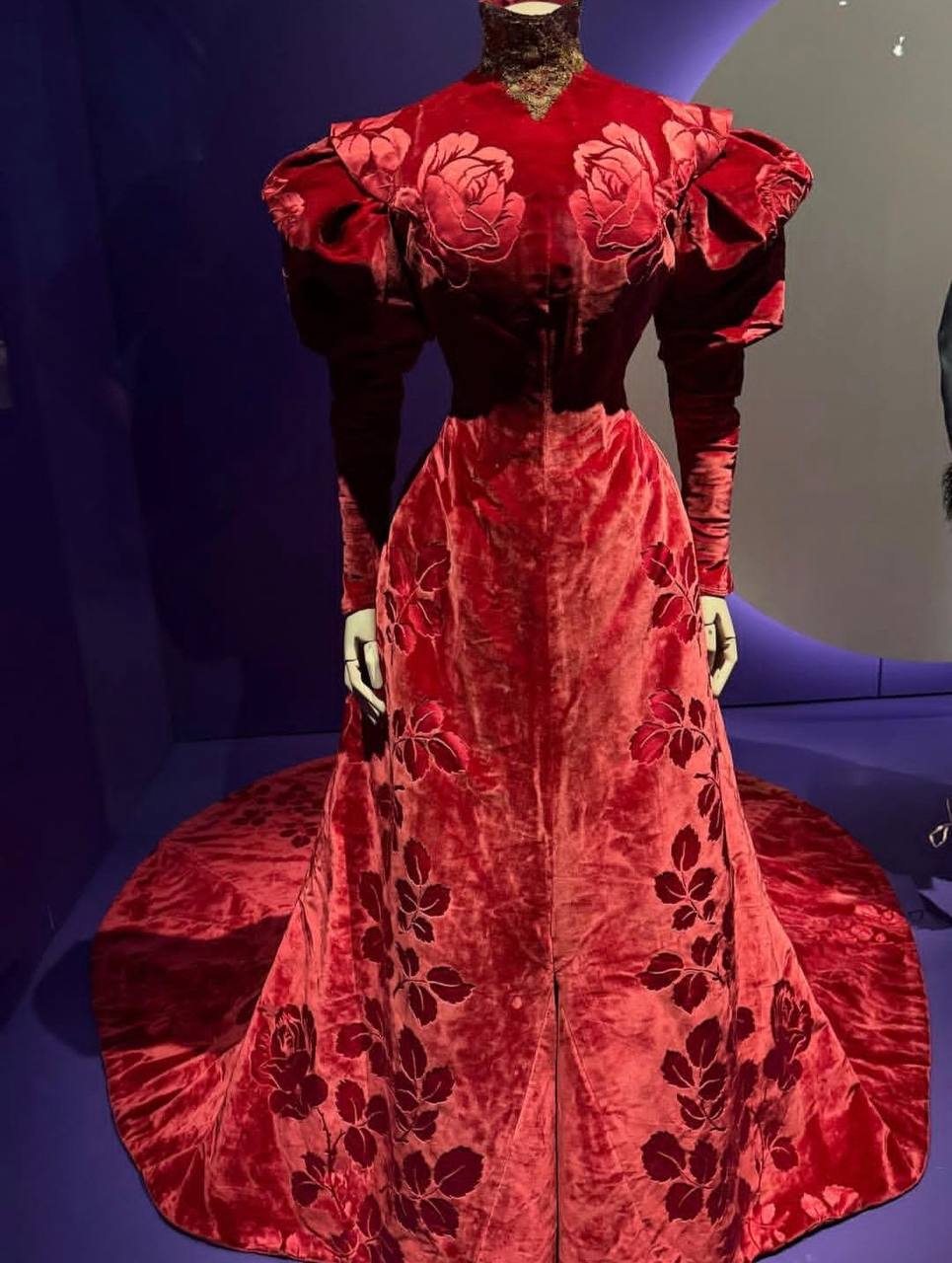
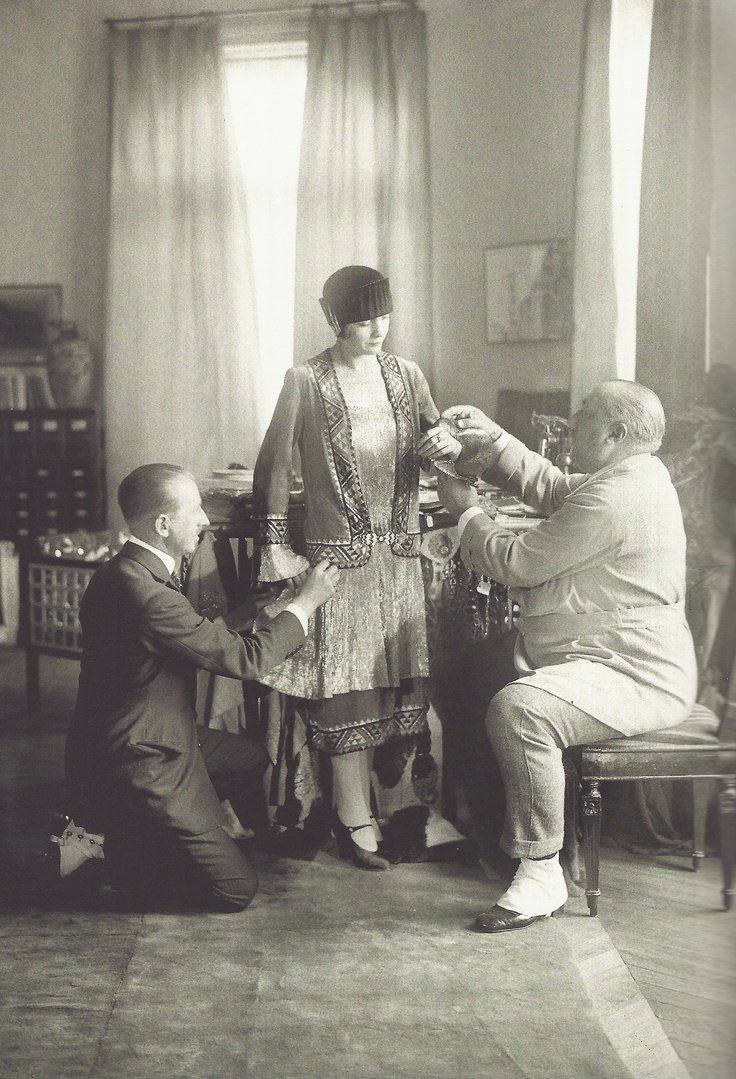
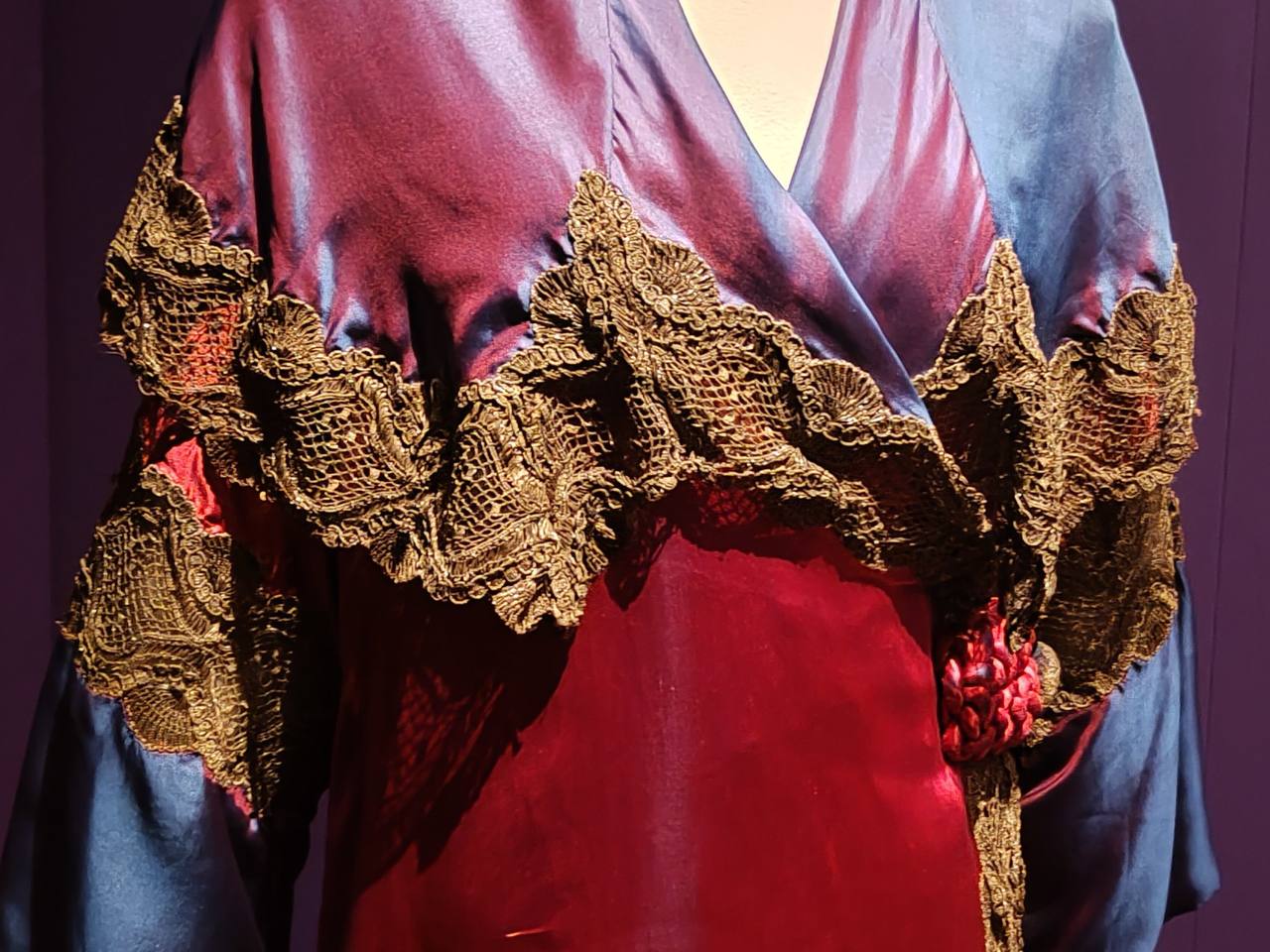
As promised, I return to my report on this season's fashion exhibitions in Paris. The large retrospective of the work of Paul Poiret will interest not only lovers of the history of costume, but indeed anyone enthralled by fashion and style. The exhibition at the Musée des Arts Décoratifs in Paris presents Poiret as a revolutionary of fashion and a "king of image".
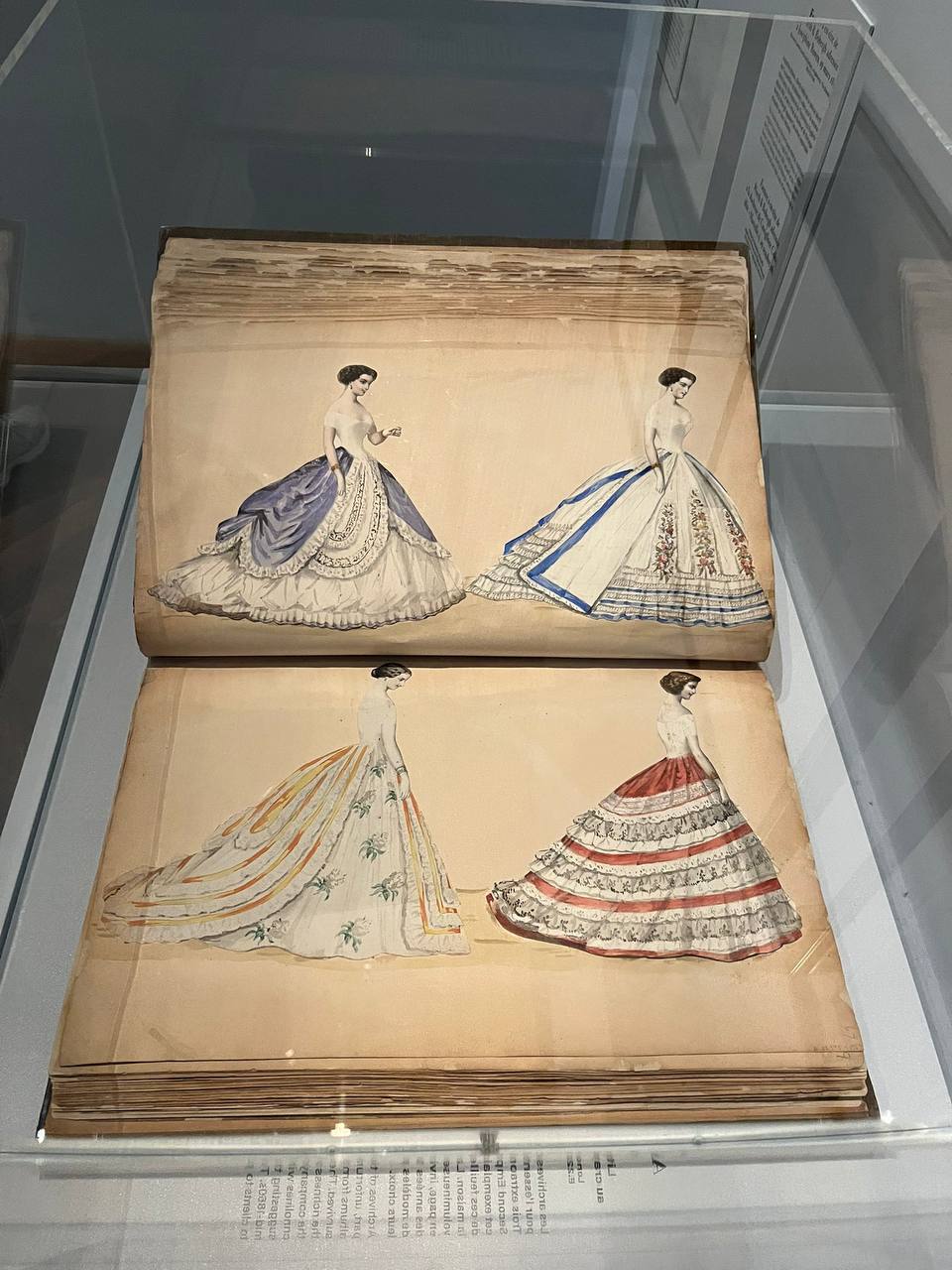
Some may remember the exhibition devoted to Paul Poiret at the Moscow Kremlin Museums in 2011; it too, I think, was quite substantial and varied. But the Paris exhibition differs, perhaps, in that it shows the actual specimens of Poiret's models, along with the customary sound biographical foundation, and also conjures up the era itself: in essence three or four decades in which corsets, voluminous skirts, bustles and other "caricatures of lavish beauty", as Verlaine put it, finally departed from fashion.
One can see how, partly thanks to Poiret's intuition and insights, this great leap was accomplished. But Poiret won fame not only for discarding the corset; he was also celebrated, for instance, for organising legendary parties, among them the famous gathering known as "The Thousand and Second Night".
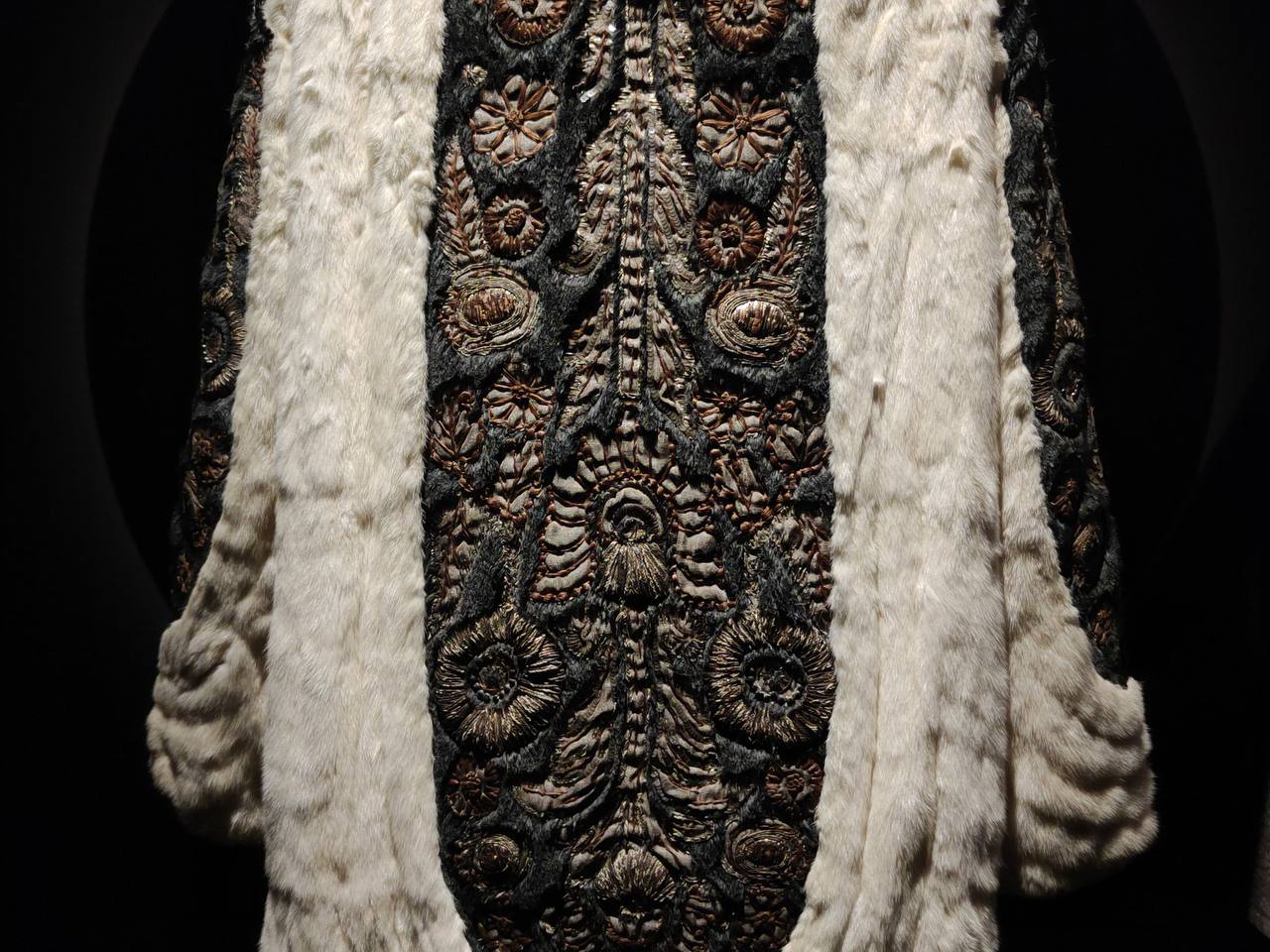
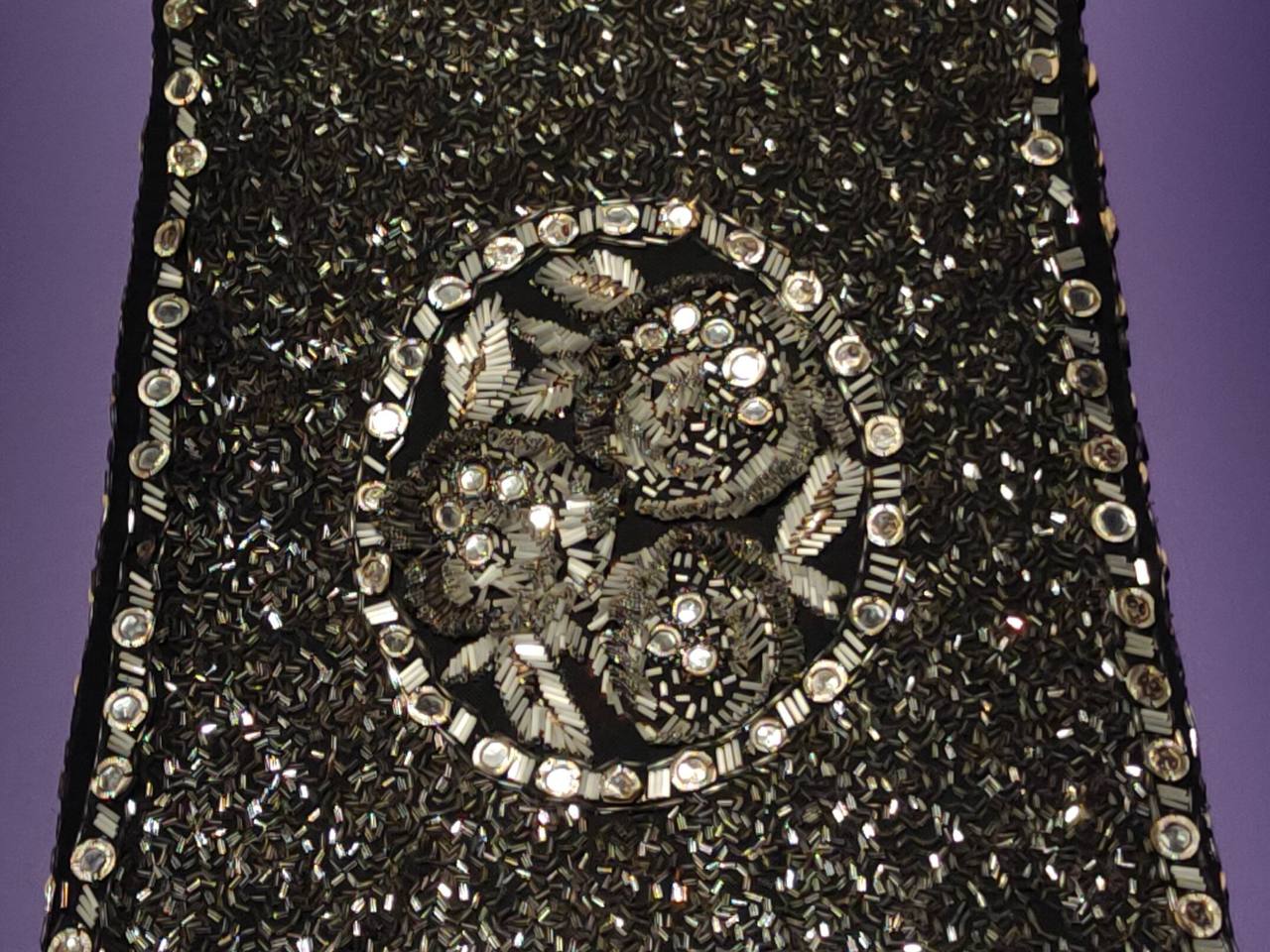
Before he became the "King of Fashion", or "Le Magnifique", as his contemporaries called him, Poiret experimented with pencil and paper. Using sketches and authentic drawings, the curators trace the path of the couturier's imagination, of a man who from his youth grasped the power of the image: not merely as a means of presenting silhouettes, but as the foundation for creating an entire universe around himself. I have designer friends, and as I walked round the exhibition I kept recalling how they speak of their flashes of inspiration and their searches. Of course, as the child of a Parisian family of cloth merchants, Poiret became acquainted early on with the finest achievements of the fashion and clothing industry of his day, and the fact that the historic lengths and scraps of fabric on display still astonish today gives some sense of where this connoisseur's eye came from, this voracious appetite for sumptuous textures and the most varied patterns.
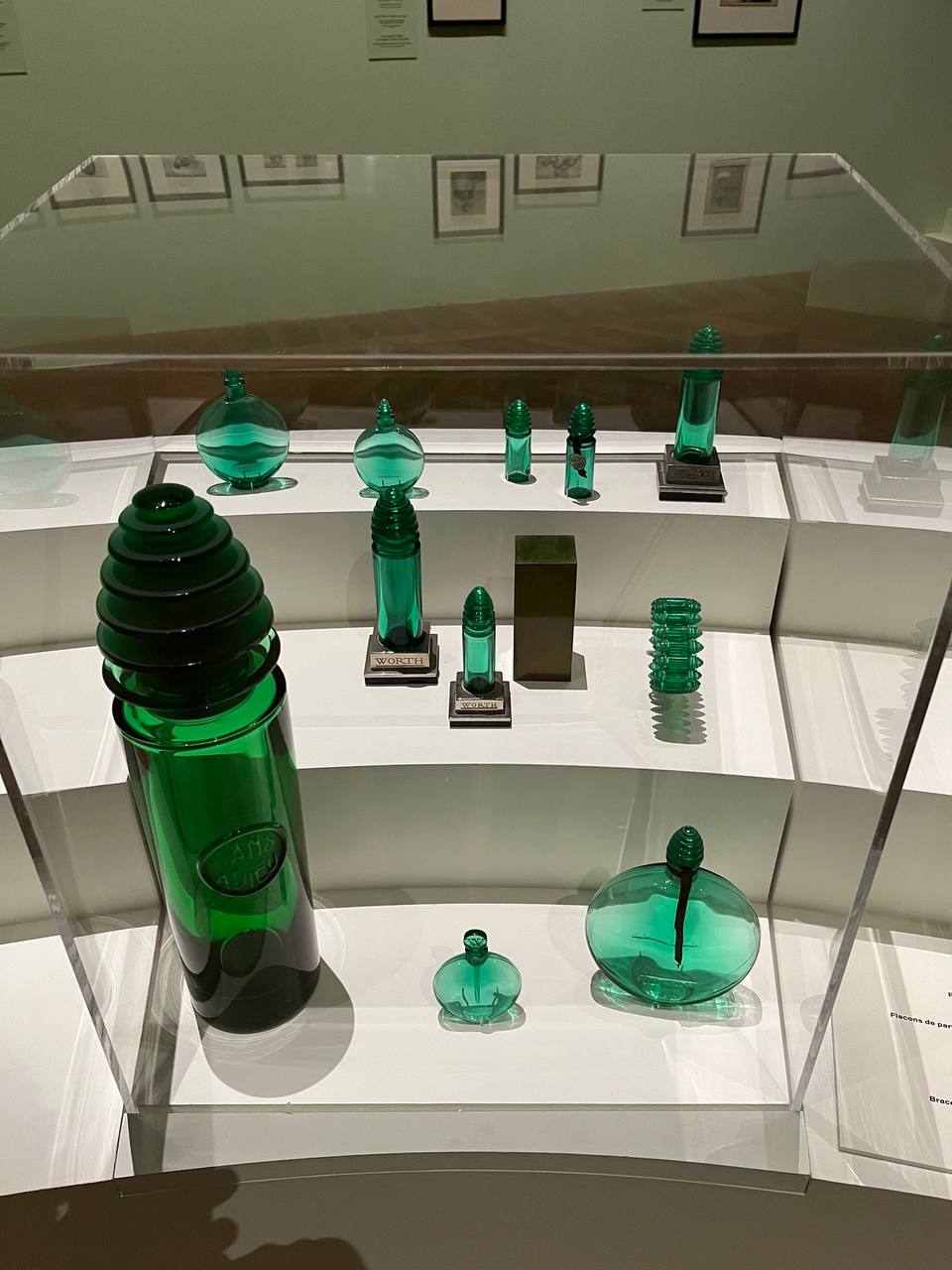
Poiret appears not only as an innovative couturier but as an artist, the visual architect of his own style. Much is known about the many-sidedness of his talent. Not long ago I published a photograph of a chest of drawers he devised. At the museum one can see, for example, his extravagant perfume bottles of coloured glass; after all, he began his career in design in a workshop making umbrellas, where his father sent him straight after school so that he would learn a trade and know some manual labour.
The retrospective shows how Poiret first, in his youth, comes to appreciate the power of the visual arts, the ability to convey an idea graphically, and later begins to create not only garments but a fully designed image and atmosphere around his collections. And if before visiting the museum you did not know that Poiret did not merely draw sketches but was one of the creators of the visual code of his age, then after studying a few display cases attentively you will be able to picture exactly when the idea of fashion as a festival of the imagination first appeared.
I liked not only the very beautiful dresses and the unique exhibits, which in essence can be seen nowhere else, but also the way the exhibition reveals Paul Poiret from a little-known side: as an artist who deliberately created not only silhouettes but a coherent visual world of fashion, placing the emphasis on clothing and on the art of its presentation alike, and in the end became one of the most influential creators of the culture of his time.