Regrettably, the discord between calendars no longer allows Christians to celebrate together the most important feast of the liturgical year, which causes pastoral problems in communities, divides families and weakens trust
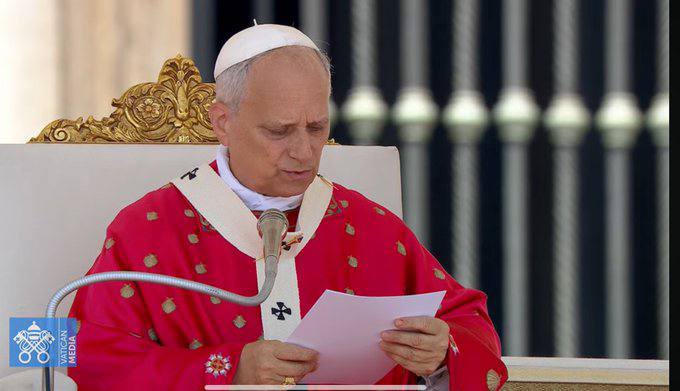
Pope Leo XIV, speaking in honour of the 1700th anniversary of the Council of Nicaea, proposed establishing a single date of Easter for all Christians.
The Catholic Church and the Protestants determine the day of Easter by the Gregorian calendar, while Eastern Christians (the Orthodox, Greek Catholics and believers of the Oriental churches) use the Alexandrian Paschalion, which is based on the Julian calendar.
For Eastern Christians, the date of the first day of Easter falls on one of 35 days, in the period from 22 March to 25 April by the Julian calendar. The Gregorian Paschalion of Western Christians diverges from the Alexandrian because of the difference in the dates of the ecclesiastical full moons and the 13-day gap between the solar calendars.