The State Museum of the East, at 12A Nikitsky Boulevard, presents an exhibition devoted to the artistic legacy of the Volkov-Rybnikov dynasty
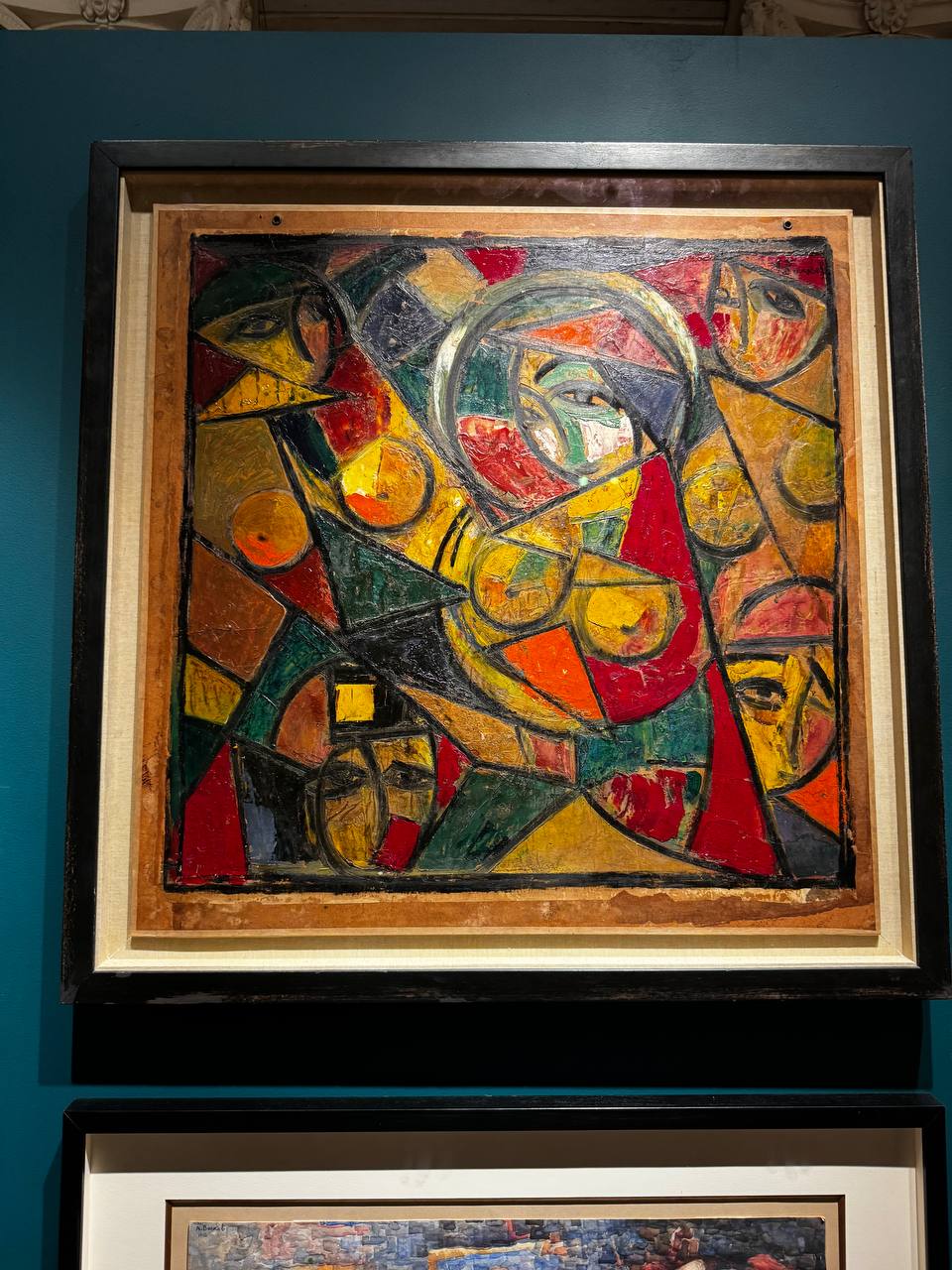
The State Museum of the East, at 12A Nikitsky Boulevard, presents an exhibition devoted to the artistic legacy of the Volkov-Rybnikov dynasty. The display runs until 8 November and comprises some one hundred and fifty works of painting, graphic art and sculpture by three generations of the family. The exhibition is timed to mark the 140th anniversary of the birth of Alexander Nikolayevich Volkov (1886-1957), one of the most striking representatives of the Turkestan avant-garde. The curators of the project are Maria Filatova, Sofya Chertikhina and Andrey Volkov.
The founder of the dynasty was born in the settlement of Novy Margelan, later renamed Skobelev and, after the Revolution, Fergana. His father, who came of Ural Cossack stock, served as a military doctor in the Central Asian garrison of Skobelev's army, so the family was forever on the move across Turkestan. Volkov studied at the Orenburg Cadet Corps, then entered Saint Petersburg University in the natural sciences department, left it in 1908, and took up painting in the studio of Vladimir Makovsky at the Academy of Arts, as well as in the private school of Mikhail Bernstein, where Roerich and Bilibin taught. At the Kyiv Art School he fell under the spell of Vrubel and his manner of building a composition out of separate strokes. In 1916 Volkov moved to Tashkent, where he lived for the rest of his life.
In Tashkent he taught drawing, and in 1919 he took charge of the Art Museum, housed in the former palace of Grand Duke Nikolai Konstantinovich. In 1924 Volkov painted the “Pomegranate Teahouse”, now in the Tretyakov Gallery, a canvas on which an ordinary tea-drinking appears as a mystical rite. He was later accused of formalism, the association he had founded, “Volkov's Brigade”, was dissolved, and the artists who belonged to it, among them Ural Tansykbayev and Nikolai Karakhan, were branded fascists in art. Volkov turned to a more figurative manner and painted the gathering of the harvest, the hoeing of cotton, the building of the Fergana Canal. During the campaign against cosmopolitanism he was driven out of all his posts, and his works were removed from the display of the Tashkent Art Museum.
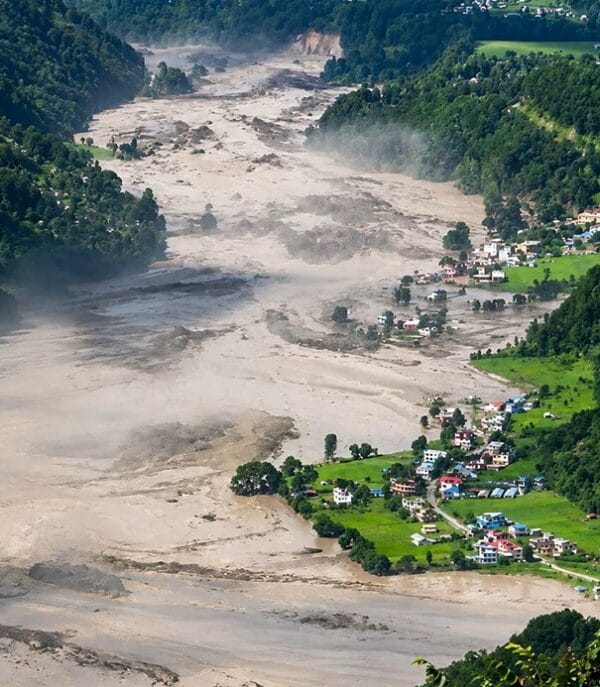
Both his sons became artists. Valery Alexandrovich Volkov (1928-2020) graduated from the art history department of the Central Asian State University, since his father held that the academic system of education would be the ruin of him. Alexander Alexandrovich Volkov (born 1937) graduated from the Stroganov Institute and works in painting and sculpture. In the museum's formulation, in the work of the brothers Eastern ornamentalism merged with the Russian and European schools of painting. Both devoted their whole lives to preserving their father's legacy. After the Tashkent earthquake of 26 April 1966, which destroyed the family home, they brought the works of Volkov senior to Moscow.
A place to keep them was found by the family of the artist and restorer Alexei Alexandrovich Rybnikov (1887-1949), whose granddaughter was married to Alexander Alexandrovich Volkov. Rybnikov headed the restoration workshops of the Tretyakov Gallery, invented a new method of cleaning paintings, and restored the original appearance of Surikov's “Boyarynya Morozova”. In the 1920s and 1930s his own painting did not fit the general line of Soviet art, and he officially withdrew into restoration, without ever abandoning the brush. Volkov and Rybnikov met only once, in 1947 in Tashkent, and recognised one another as kindred spirits. Their works later found themselves side by side in the collection of the Nukus Museum, created by Igor Savitsky.
The fourth participant in the exhibition, Andrey Alexandrovich Volkov, grandson of the founder of the dynasty, works in the technique of colour field painting. This is a trend in abstract painting in which the image is built not on drawing but on large zones of colour and the relations between them.