The head of the Presidential Human Rights Council, Valery Fadeev, has proposed introducing conduct marks in schools and barring pupils with a fail in conduct from the OGE and the EGE
The head of the Presidential Human Rights Council, Valery Fadeev, has proposed introducing conduct marks in schools and barring pupils with a fail in conduct from the OGE and the EGE (the state examinations taken at the end of basic and secondary school). The Minister of Education, Sergey Kravtsov, has backed the idea.
The proposal sounds equivocal, and questions arise above all about how this novelty would work in practice.
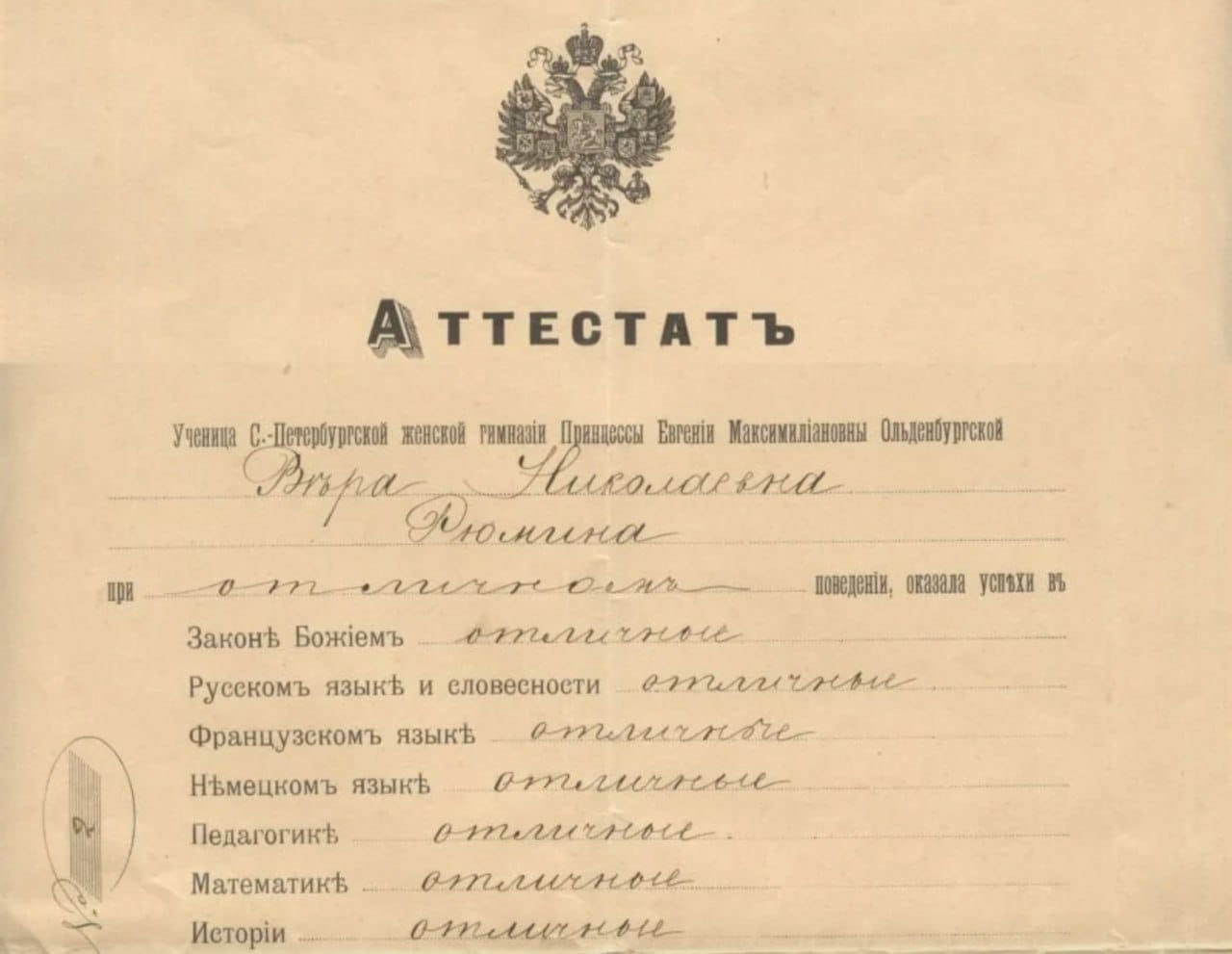
I would, however, remind readers that a system of conduct marks existed in Russia before the Revolution. In May 1918 it was abolished by a decree of the People's Commissar for Education, Lunacharsky, but together with a ban on the "use of the points system for assessing the knowledge and conduct of pupils in all cases of school practice without exception". In other words, conduct ceased to be graded in schools at the very moment when marks were abolished altogether. Gradually, however, Soviet schools returned to the old system: in 1935 to a verbal scale of "excellent - good - mediocre - poor - very poor", and in 1943 to a scale of numbers.
How did conduct marks affect studies? Only excellent and good conduct was permitted. A pupil with good conduct was obliged to correct his offence by the following term, otherwise his conduct mark could be lowered. A three for conduct was a warning of expulsion from school. Expulsion was recorded with a two. A five for conduct was a condition for receiving the school-leaving certificate.