Ai Weiwei, one of the best-known and most politically inconvenient artists of our time, has published a book about censorship
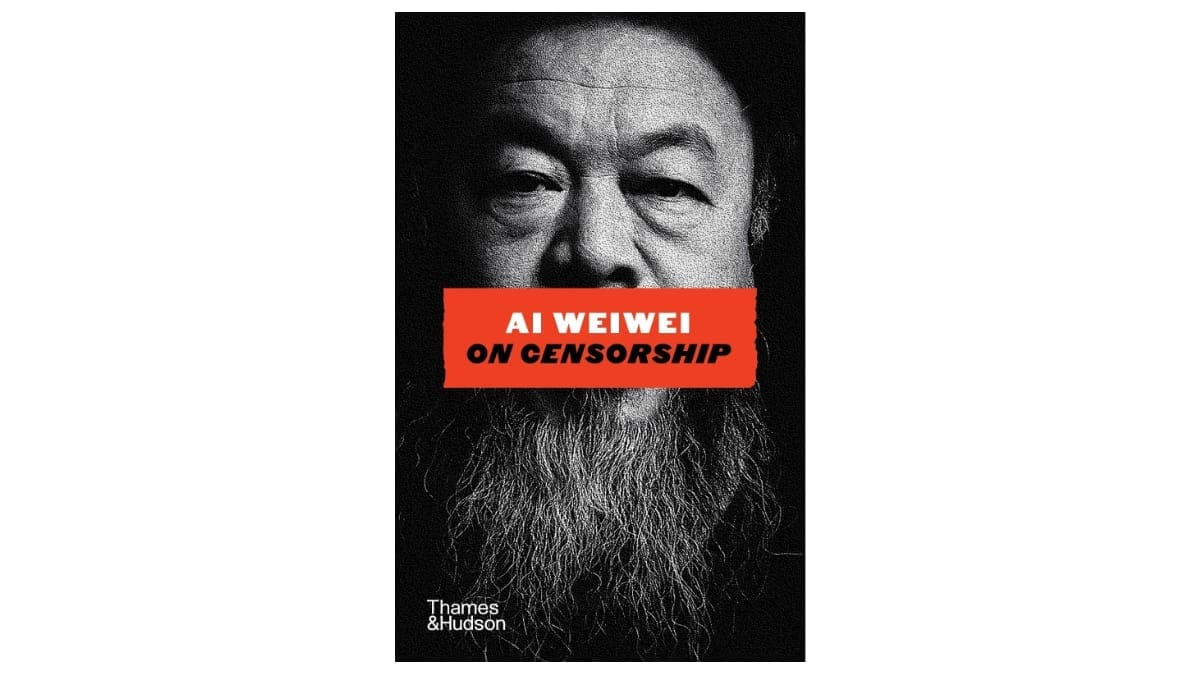
His father, the poet Ai Qing, cleaned latrines in a labour camp. Ai Weiwei himself was detained in 2011 for 81 days without charge. His studio was demolished, his exhibitions were shut down, and the Chinese chatbot DeepSeek was specially configured so as not to know of his existence.
The book, On Censorship, is about how censorship in authoritarian regimes works through fear, and in liberal democracies through self-censorship, and is no less effective for that. In November 2023 the Lisson Gallery in London cancelled his exhibition after he spoke out about Gaza on social media. One of the most famous artists in the world found himself, for a few days, in the same position as a student expelled over a pro-Palestinian placard.
Ai Weiwei calls self-censorship a “silent killer”. A society that has learned to keep quiet out of caution becomes, in his words, “numb, stripped of emotional depth and of creative spirit”.
The book's final thesis is this: censorship and surveillance work only with our participation. Stop being afraid, and the system will collapse.