"And should God change the Horde..."
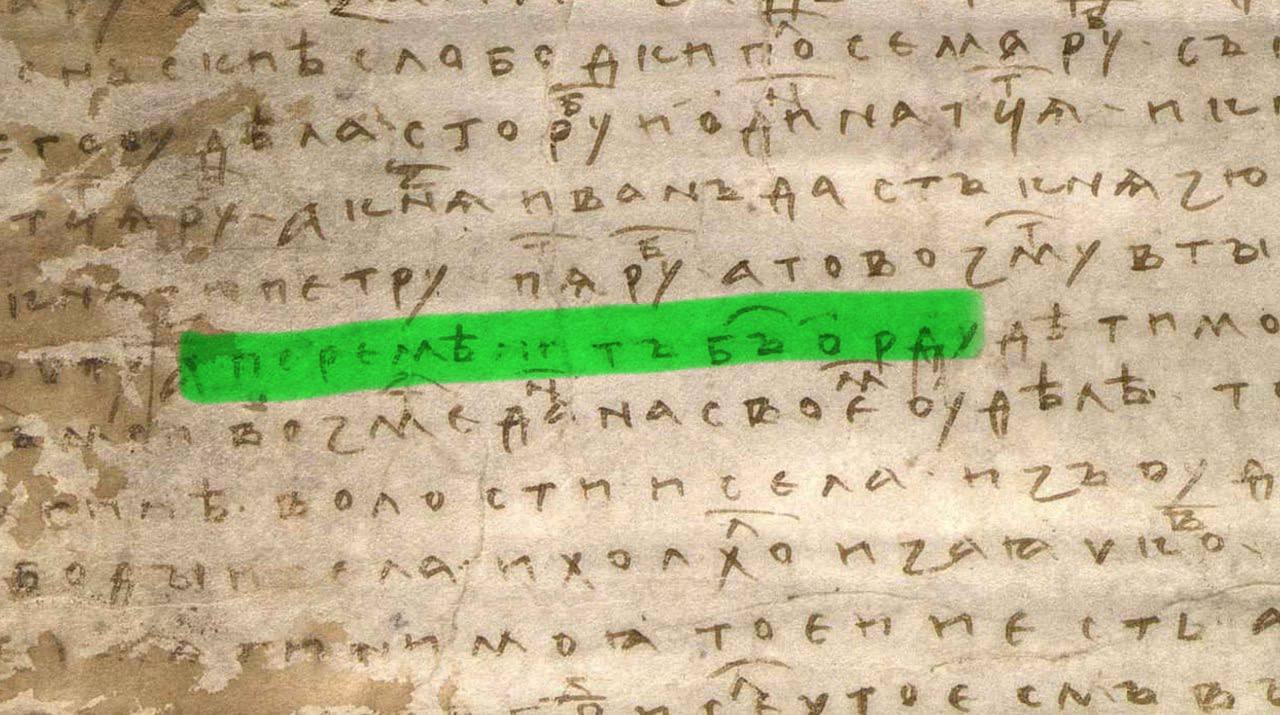
This remarkable phrase appears in the testament of Grand Duke Dmitry Donskoy. The whole sentence runs thus:
"And should God change the Horde, my children shall not be obliged to give the tribute to the Horde, and whichever of my sons takes tribute in his own appanage, to him it shall belong."
This is not mere everyday providentialism but a fairly clear diplomatic formula. Dmitry Ivanovich bequeaths that if, by the will of God, the Horde should change, that is, cease to represent the same force, then his sons ought to take advantage of it and stop giving the "vykhod", that is, the tribute to the Horde.
The charter was written in 1389, nine years after the Battle of Kulikovo and seven years after the burning of Moscow. Yet Dmitry Donskoy is modelling the future of his principality, for the first time pointing in a legal document to the finite nature of Horde rule. And at the same time he is designing the fiscal system of the future Muscovite Rus': the tribute is not abolished, but stays in the appanage of the prince's son who collected it.
So it came to pass, though not under Dmitry Donskoy's children or grandchildren, but under his great-grandson, Ivan III, who at the start of his reign no longer refers to God, but declares his own will, quite literally: "And when I, the Grand Duke, shall not give the tribute to the Horde." The Grand Duke will decide for himself.
Ivan III's wording originally goes back to the words of Vasily the Dark, but, having once spoken thus, he nevertheless went on using his grandfather's formula "And should God change the Horde", and kept it in his own testament as well. In practice, the tribute ceased to be paid precisely under Ivan III.