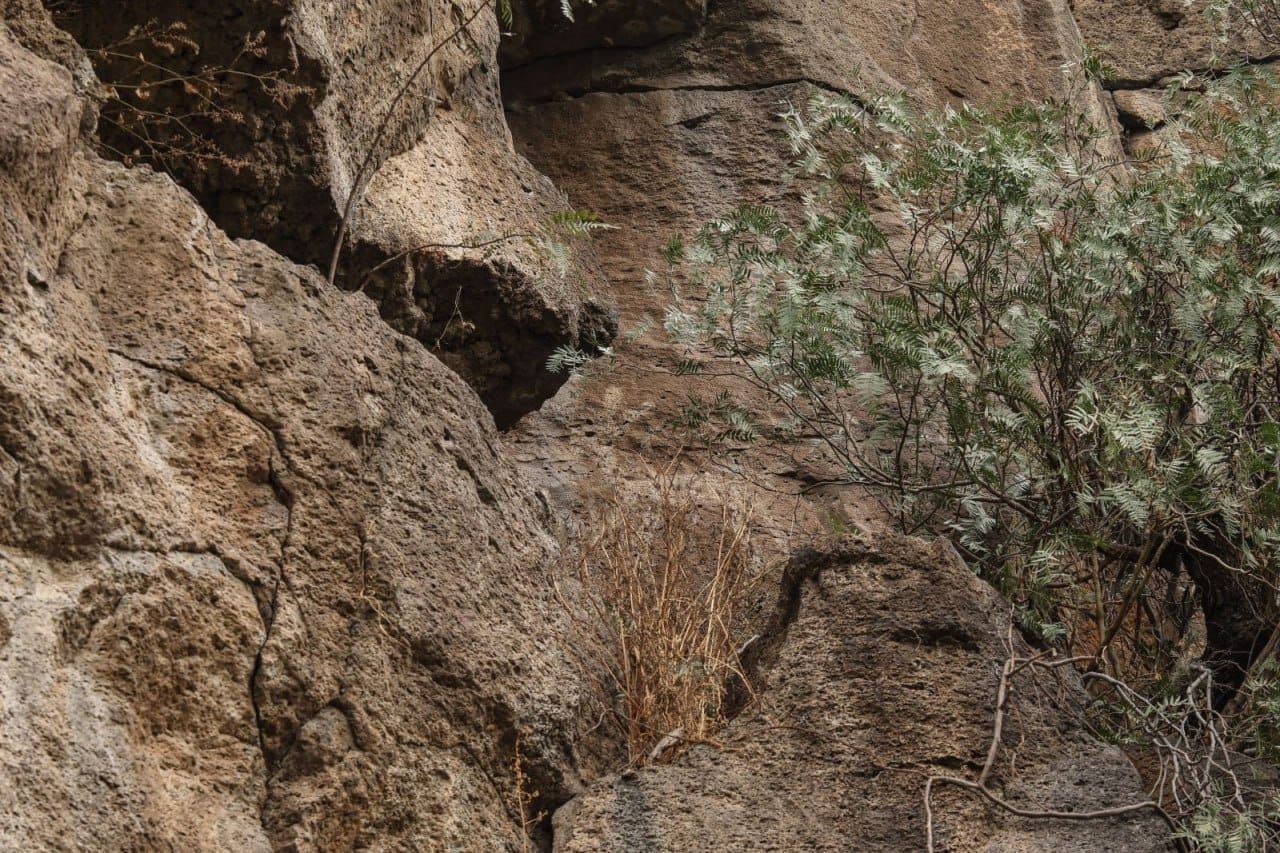
In Mexico, during construction of the $8 billion Mexico City–Querétaro high-speed railway, 16 rock paintings and petroglyphs were discovered along its route
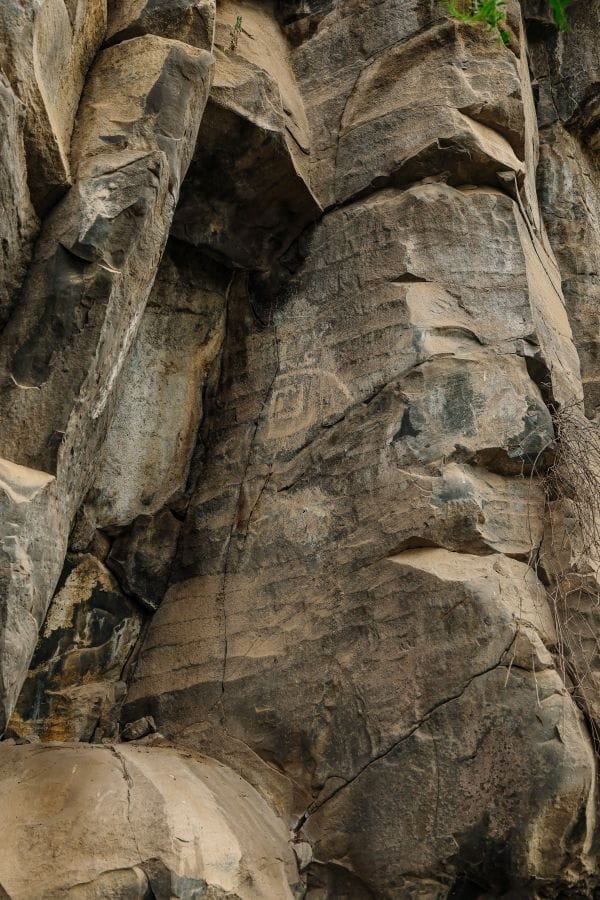
In Mexico, during construction of the $8 billion Mexico City–Querétaro high-speed railway, 16 rock paintings and petroglyphs were discovered along its route.
It was then decided to move the route, so as to save the site of the rock images from destruction.
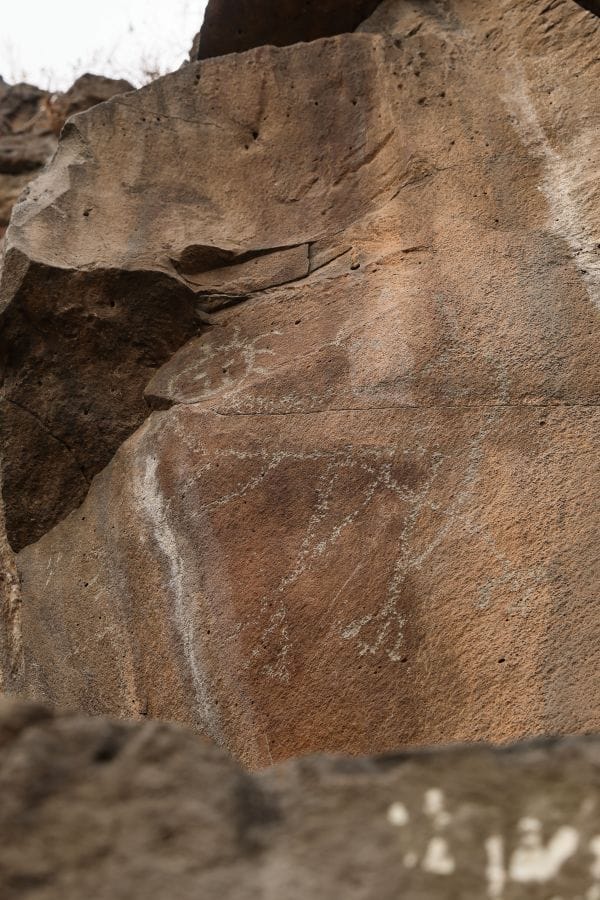
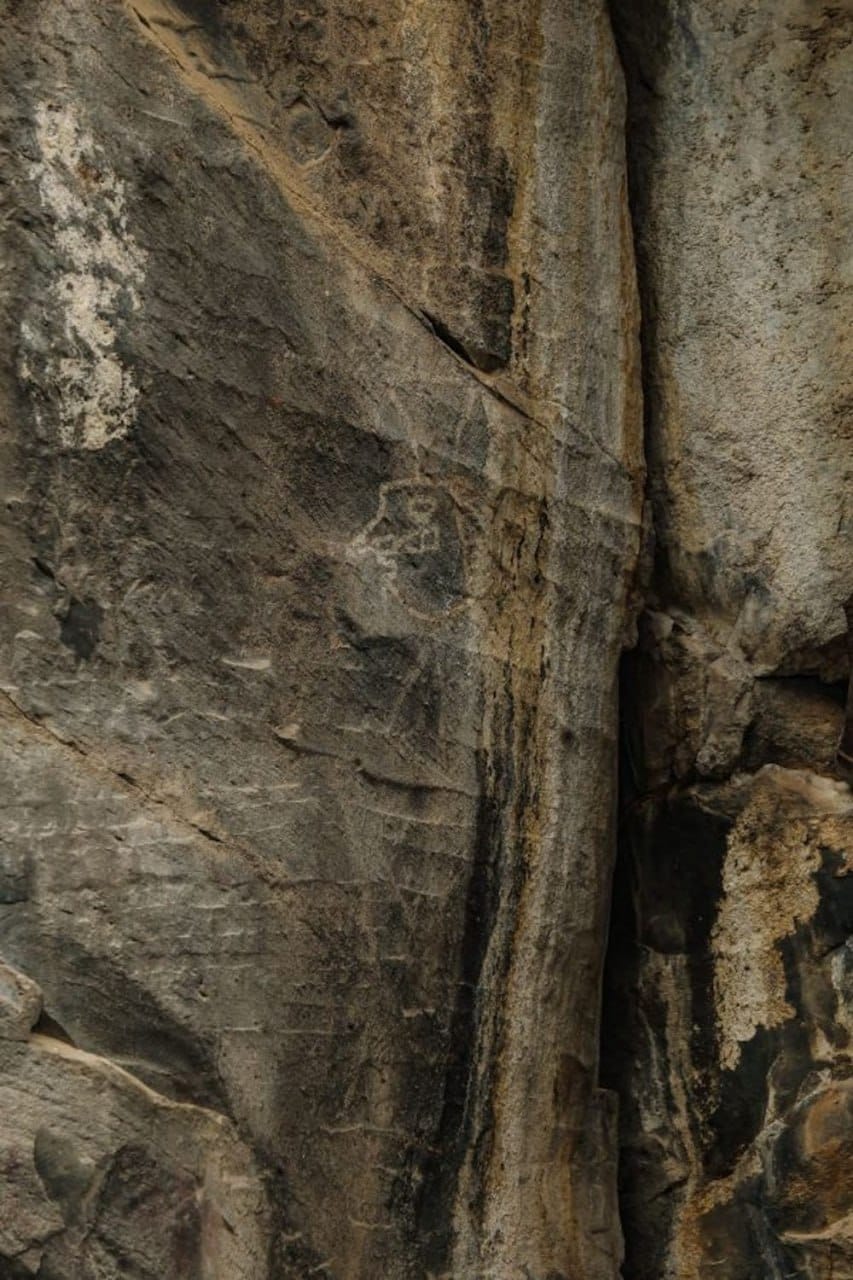
The finds belong to two eras. Some of the images date from the Postclassic period, roughly from 900 AD up to the Spanish conquest of 1521, that is, the very heyday and decline of Aztec civilisation. Among the figures is a character bearing a chimalli, a ritual shield of bird feathers, and another whose enormous eyes and headdress clearly point to Tlaloc, the god of rain and caves. The remaining images belong to "prehistoric" times, four thousand years ago and earlier. There a man in red holds either a snake or a lightning bolt.
One of the petroglyphs was made in the technique of pointillism, dot painting, which was reinvented in Paris in the nineteenth century and taken for the avant-garde.
Archaeologists believe that the iconography is connected with the Toltec city of Tula, one of the most enigmatic political centres of pre-Columbian Mesoamerica. In the 1970s the Tula Archaeological Expedition already worked here and documented a deer-like figure. Now the record of monuments at this site has been considerably expanded.
In the end we have witnessed a rare case in which an infrastructure project and archaeology found a compromise before the excavator's bucket met the monument.