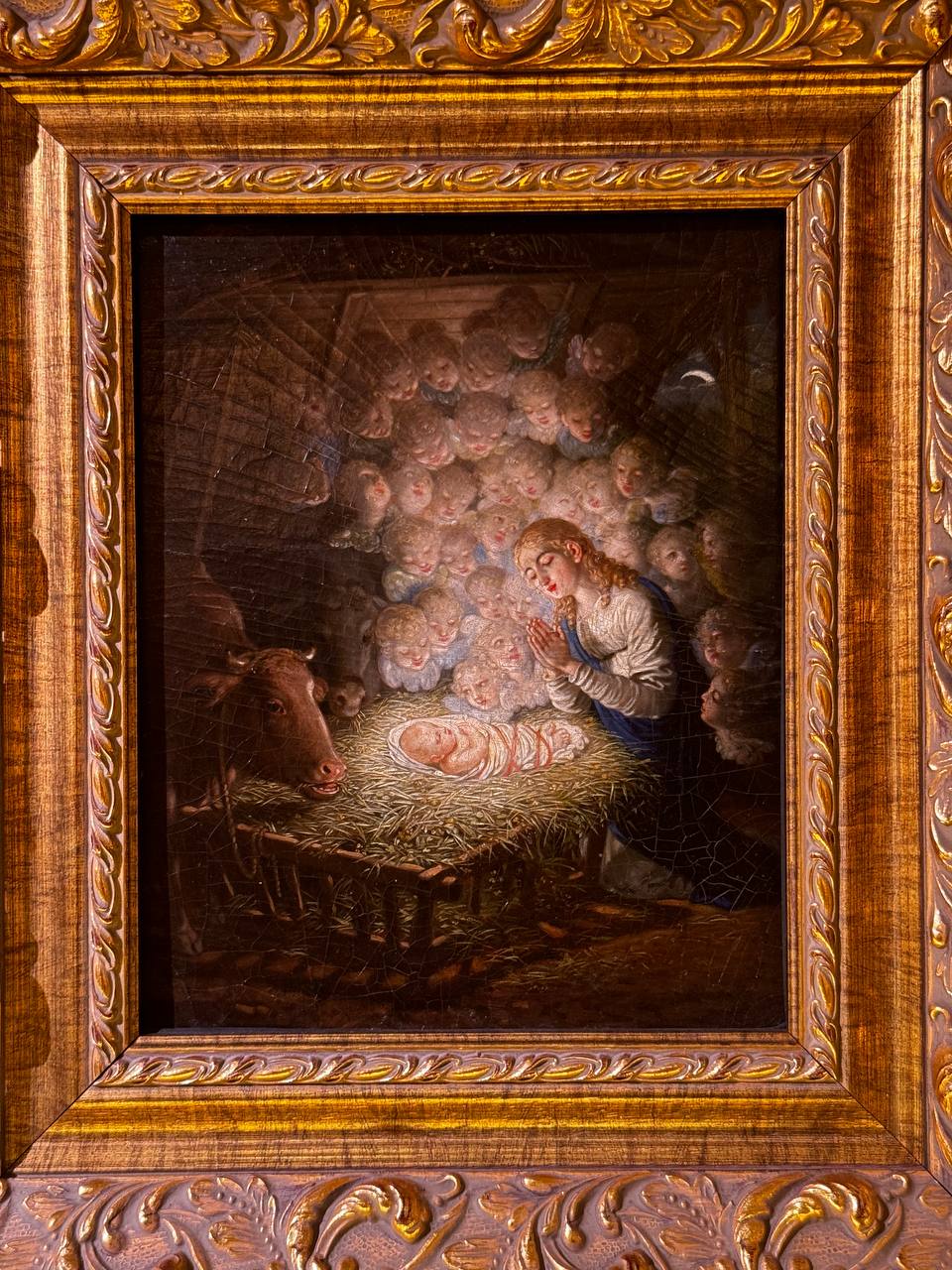
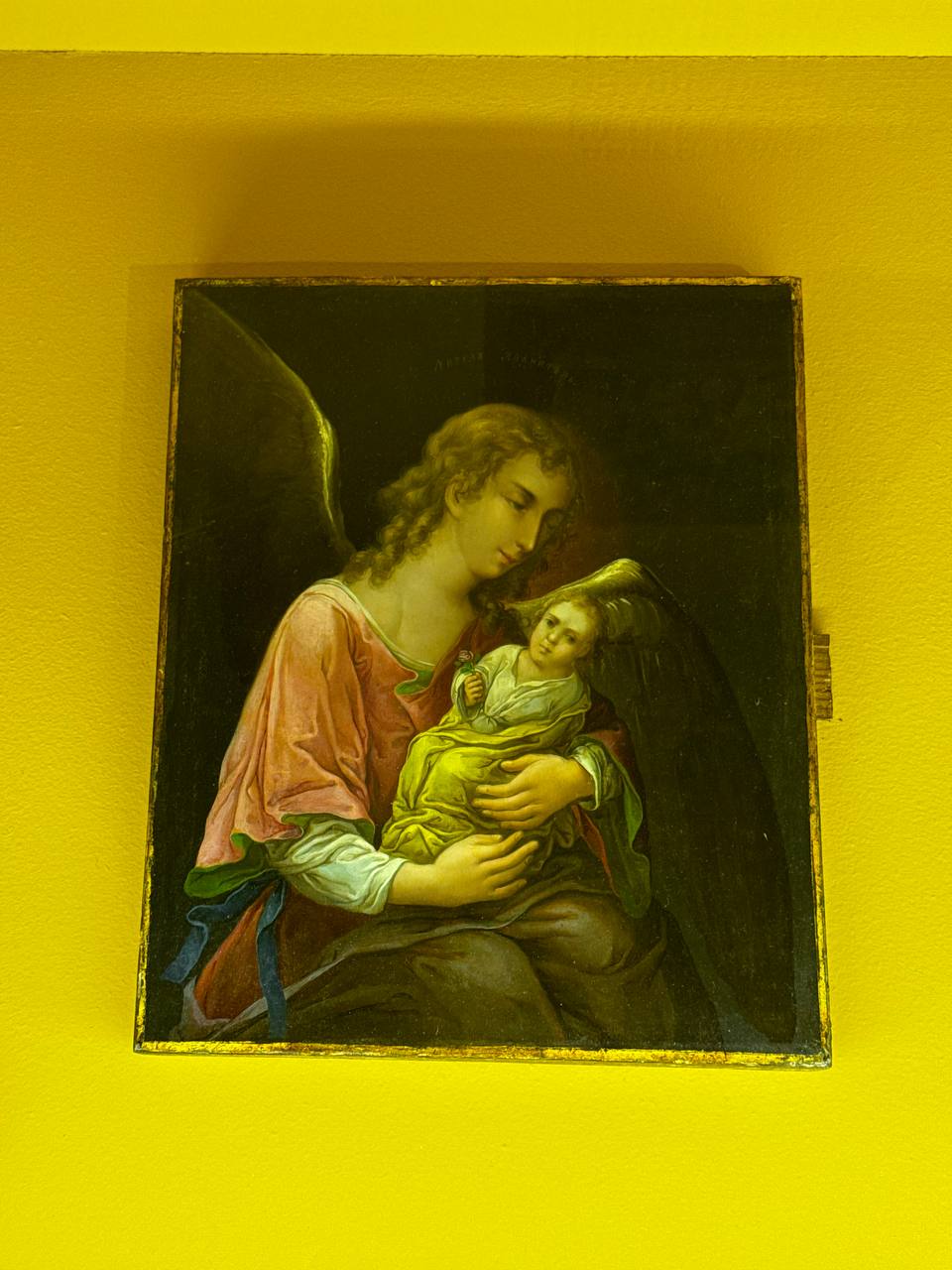
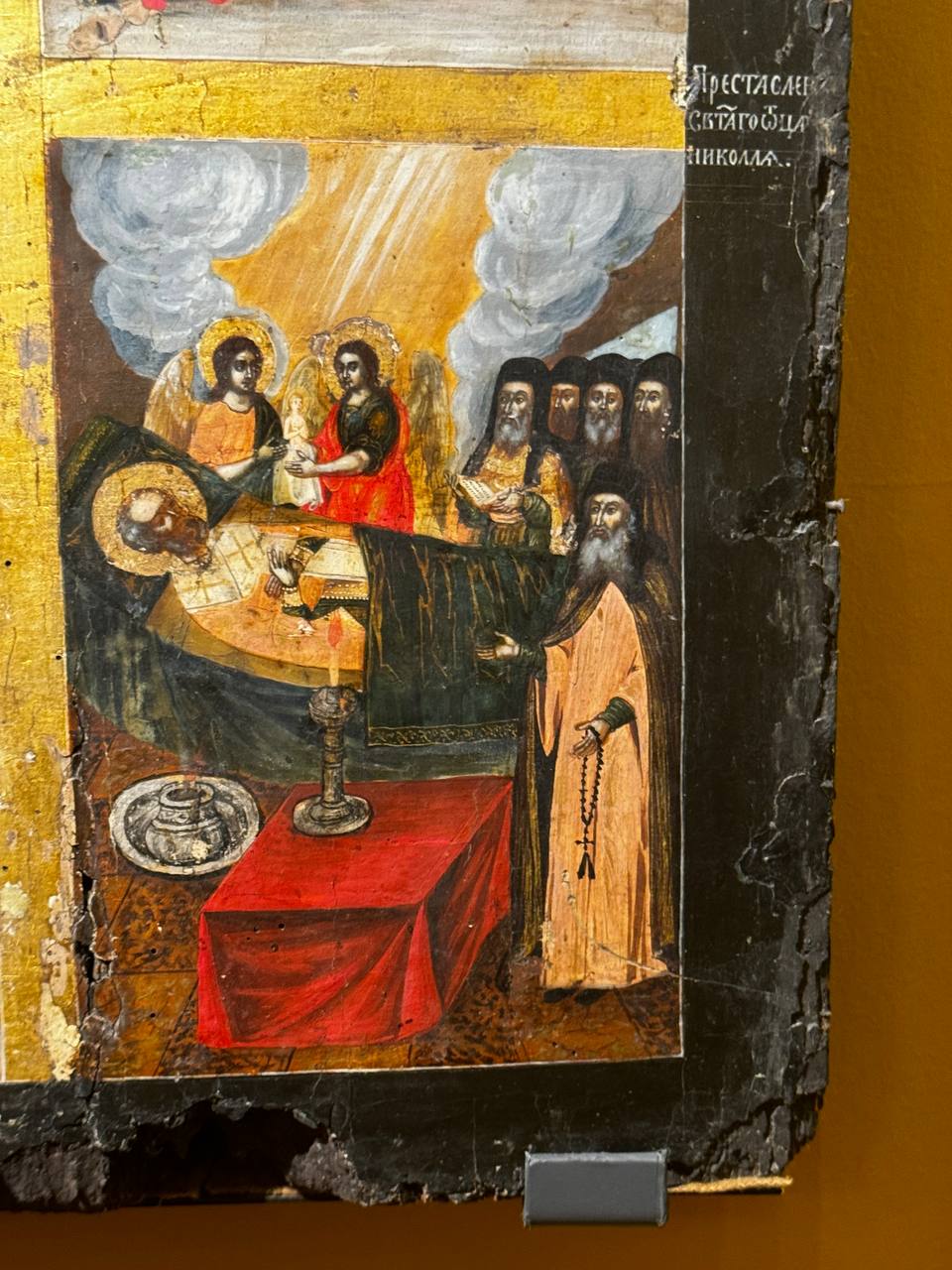
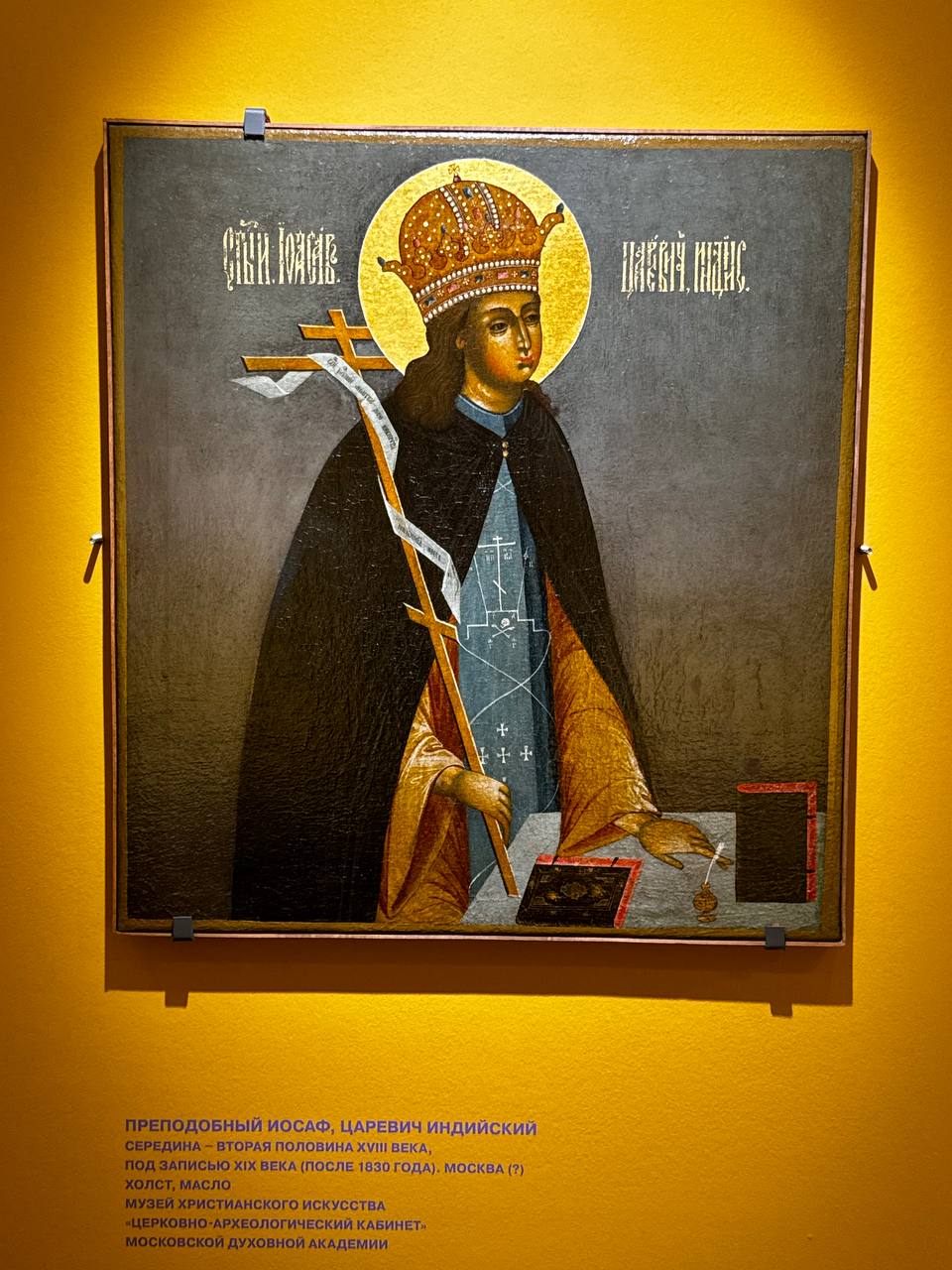
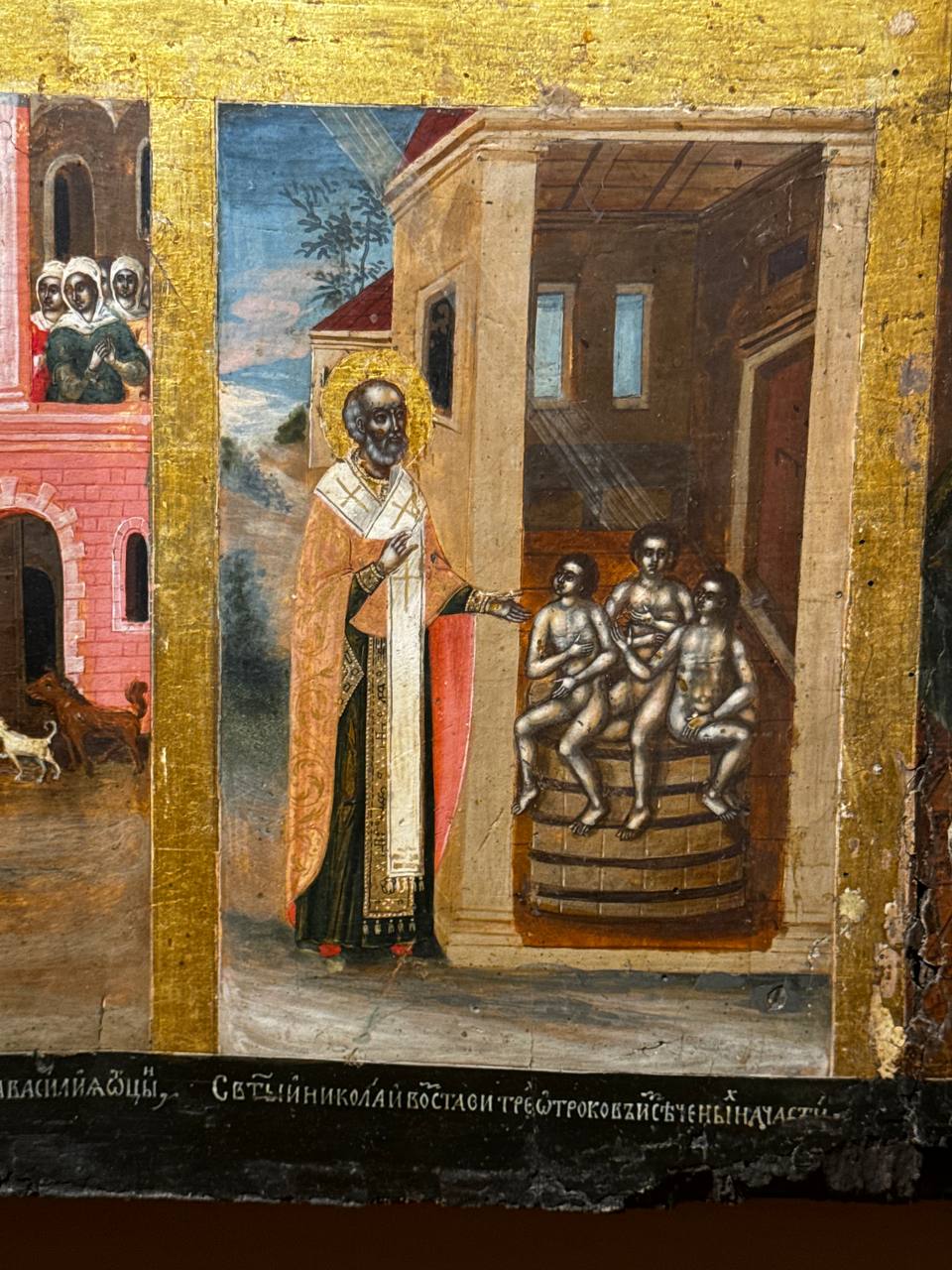
Among the many museum and gallery events of the past week, I want to single out one: the exhibition "Childhood. Adolescence. Sanctity"
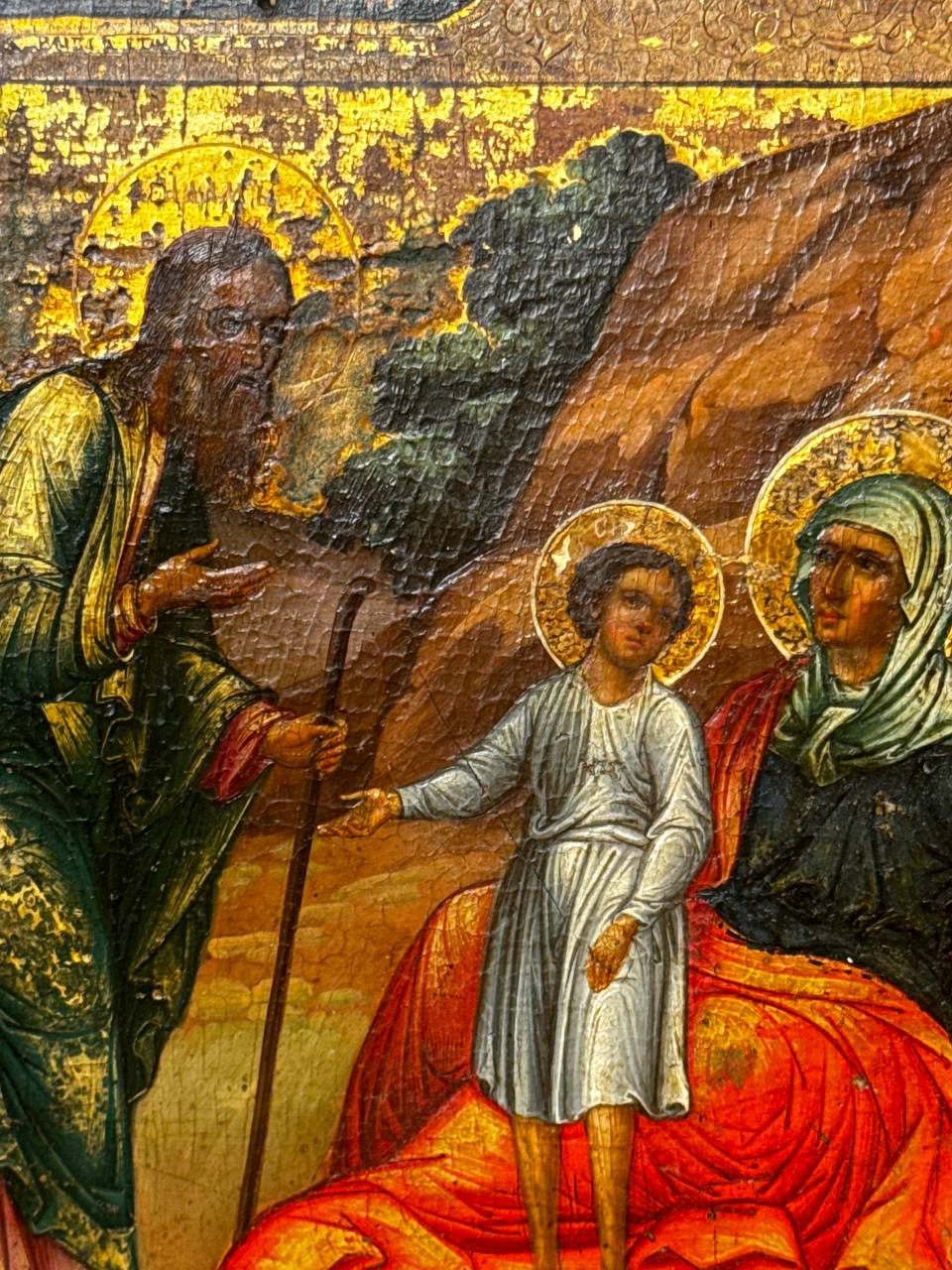
Among the many museum and gallery events of the past week, I want to single out one: the exhibition "Childhood. Adolescence. Sanctity" at the Andrei Rublev Museum, which runs from 3 September to 15 November 2026.
More than a hundred works from the late fifteenth to the early twentieth century, devoted to the sanctity of children, have been brought together by the museum's Chief Curator of Collections, Oksana Smirova, and Yulia Ustinova, Head of the Easel and Monumental Painting Section of the Research and Collections Department.
The range of media is wide: chiefly, of course, icons, but also paintings, graphic works, wooden sculpture and small-scale plastic art, that is, small carved and cast pieces, ceramics and enamel paintings from the museum's own holdings, from the State Historical Museum, from the Pushkin Museum and other museum collections, as well as from private collections.
The display is divided into four parts. The first presents subjects from the Old and New Testaments. The second is devoted to symbolic and allegorical compositions in which images of children conveyed complex theological concepts by allusion. The third presents images of universal and Russian saints, among them rare depictions of the martyr Agnes, of John the Varangian, the first martyr of Kyiv, of Basil of Mangazeya, of John and James of Menyuzha, and of John Chepolosov. The fourth part is given over to the holy patrons of childhood, and shows venerated icons of the Mother of God and of saints to whom prayers were addressed for the birth of children, for their health, their upbringing and their schooling.
A special place is given to the subject "Christ Blessing the Children", which goes back to the words of the Gospel of Matthew, "Suffer little children, and forbid them not, to come unto me". Besides being a direct illustration of the Gospel episode, such images performed a patronal function, that is, they served children as a protective and guardian sacred object.
The exhibition has a rich educational programme, so do save the following events in the listings: curators' tours will take place on 24 September, led by Yulia Ustinova, and on 29 October, led by Oksana Smirnova. On 1 October Yevgenia Suvorova, Candidate of Art History, will give a lecture on the iconography of the image of the Mother of God "Helper in Childbirth". On 6 October Nadezhda Prokazina, Director of the Museum of Russian and European Fine Art, will discuss the painting "Christ Blessing the Children" by the Flemish painter Marten Pepijn, from a private collection, in the context of Antwerp painting in the age of Rubens. On 27 October Yelena Vinogradova, Candidate of Art History, will lecture on images of Christ as infant, boy and youth in Byzantine art, including the iconography of Christ Emmanuel and the composition known as "The Paternity". On 31 October Yulia Ustinova will lecture on holy children in Christian history, from the early Christian martyrs to Tsarevich Dmitry of Uglich and Artemy of Verkola. For children the museum is running an interactive programme, "Children in the Icon. A Journey to the Sources of Sanctity", on 3 and 10 October. On 15 October there will be a chamber music concert with works by Bach, Schumann, Tchaikovsky, Prokofiev and Gershwin. On 18 October an author's tour will be held for Father's Day.
The Andrei Rublev Museum is in Moscow, at 10 Andronyevskaya Square. I recommend visiting this important and spiritually rich exhibition; perhaps you will change something in your life for the better as a result.