"A History of Black" at the Ekaterina Foundation
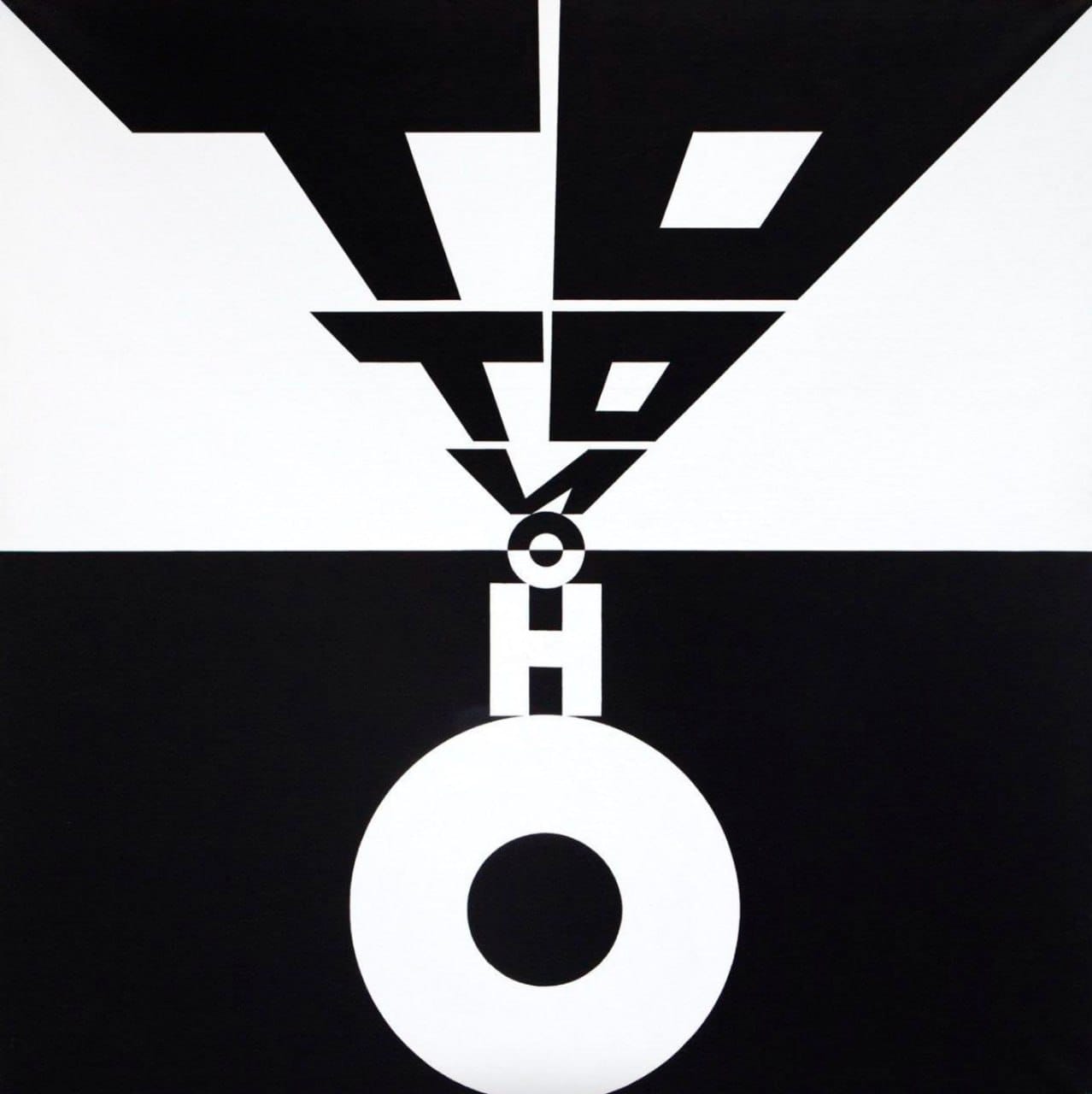
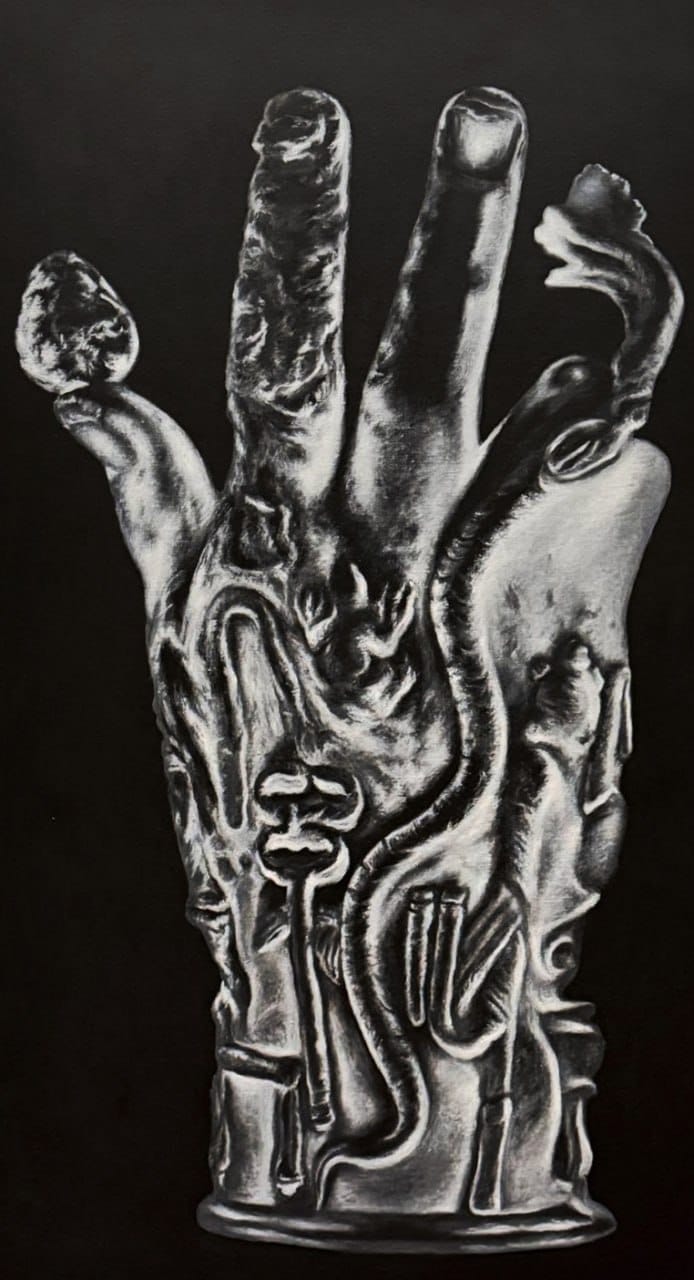
The Ekaterina Culture Foundation on Kuznetsky Most has opened an exhibition, "A History of Black". Its point of departure is the book by the French historian Michel Pastoureau, who for several decades has been writing biographies of colours and has already published volumes on blue, green, red and yellow. Pastoureau proposed a chronology in which each age decides afresh what black means, and the exhibition follows that chronology.
For the Palaeolithic artist, black was simply an accessible pigment made from charcoal and soot. The Egyptians associated it with fertility: black was the silt of the Nile, on which the agriculture of the country depended. The Middle Ages made black the colour of the struggle between good and evil. Then black for a time lost the status of a colour altogether: Leonardo da Vinci denied it that title, and Newton, who split white light into a spectrum, confirmed it with his experiments. The final sections of the exhibition are devoted to the industrial age and digital culture.
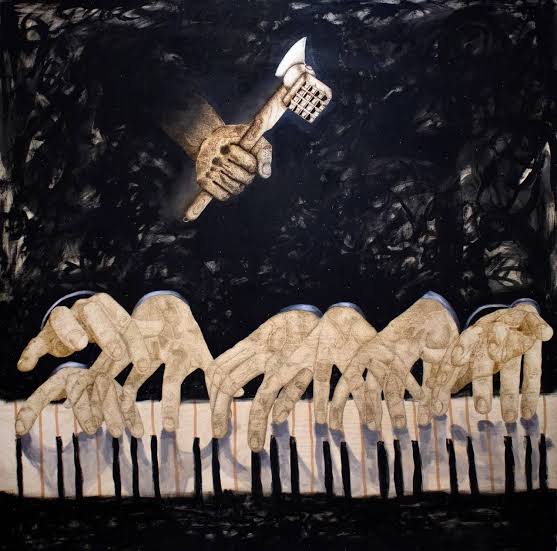
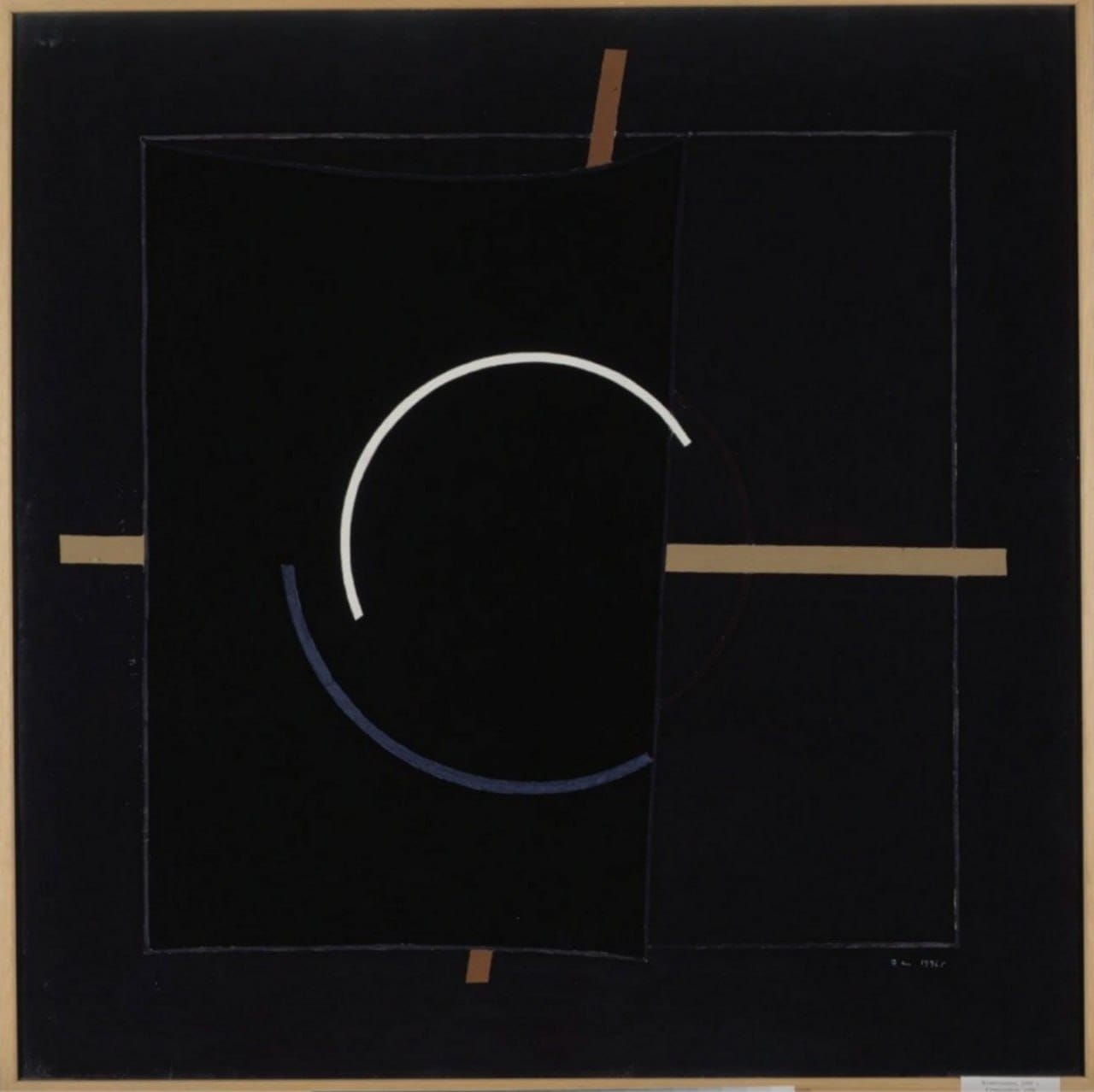
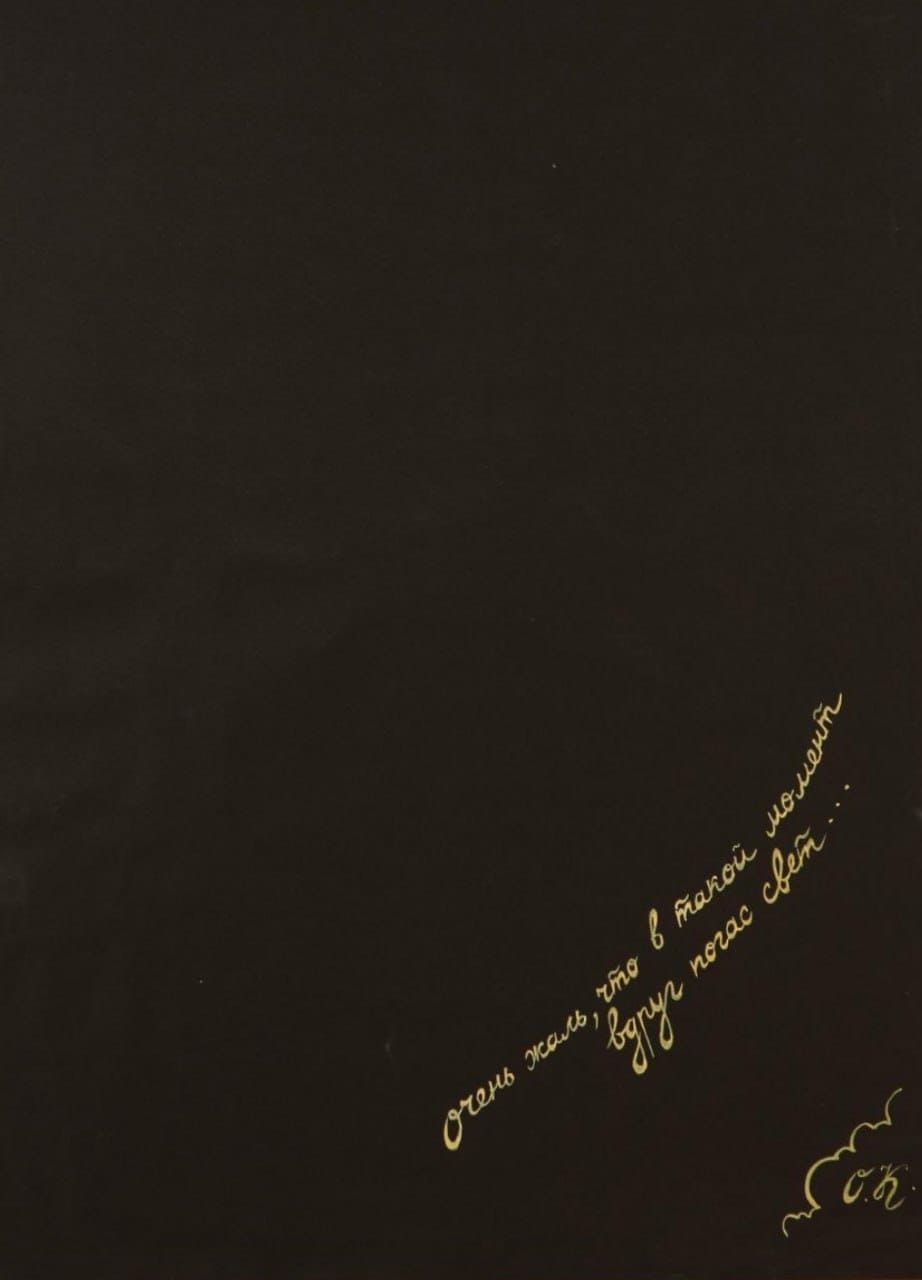
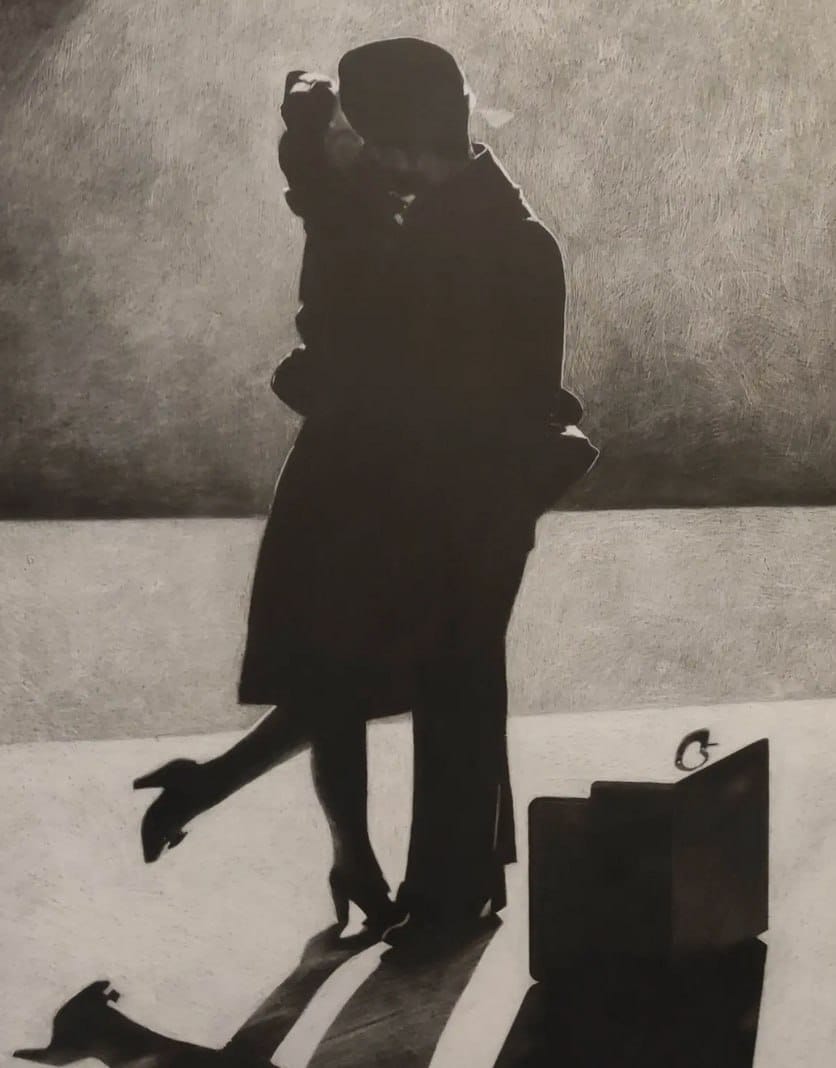
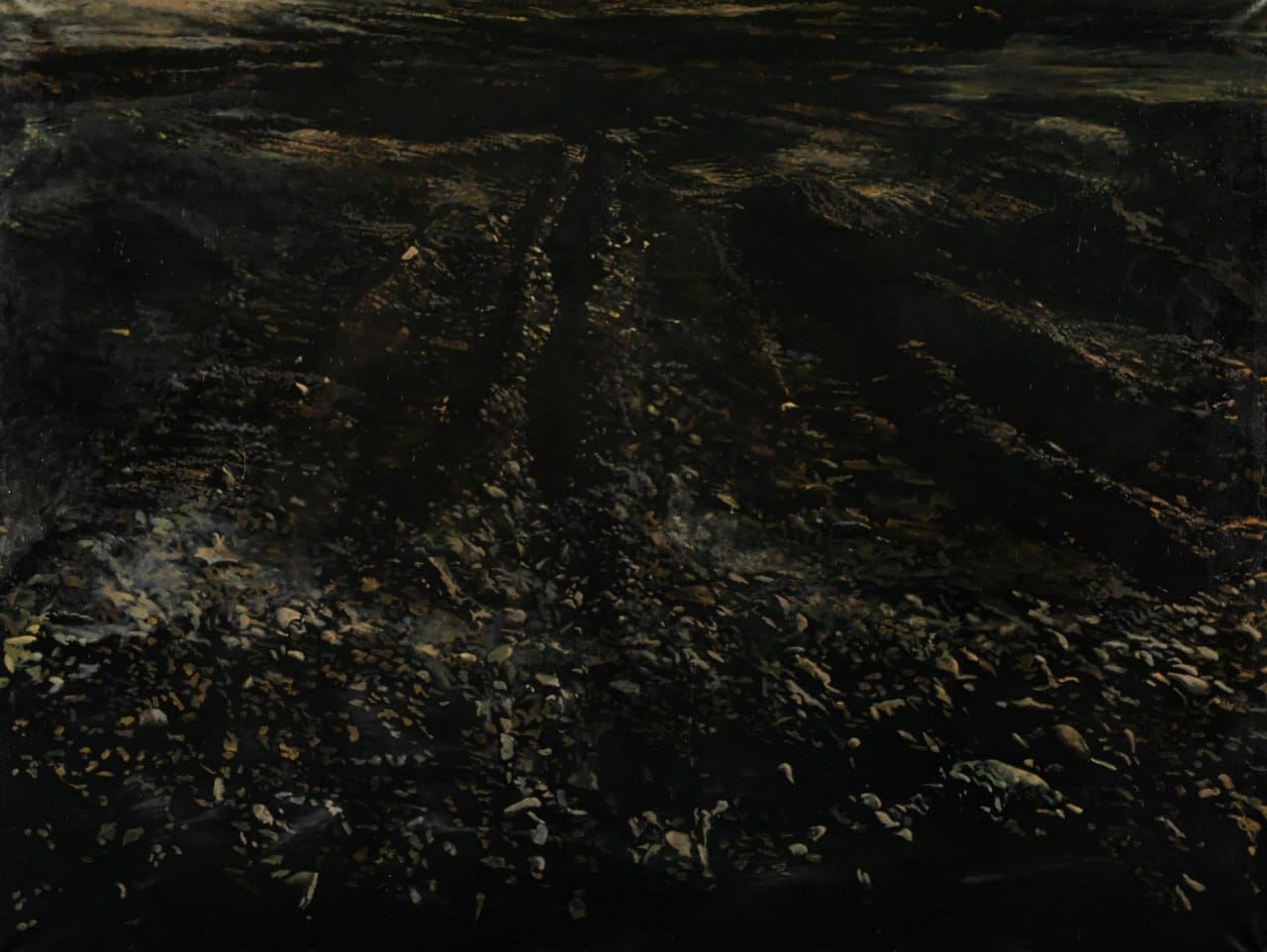
This history is told not by monuments of different eras but by the works of contemporary artists. About half of the works were created specially for the exhibition. Alongside young authors hang Erik Bulatov, Eduard Steinberg, Dmitry Krasnopevtsev, Dmitry Plavinsky, Olga Tobreluts and Vladimir Dubosarsky. The section on "wandering centuries" shows Olga Tobreluts's "Night Avenue" with the Appian Way. The Romans built this road for the rapid transfer of legions, and later Christian pilgrims walked along it to the shrines of Rome.
The exhibition is open until 29 November. The Ekaterina Foundation is at 21/5 Kuznetsky Most, with the entrance from Bolshaya Lubyanka.