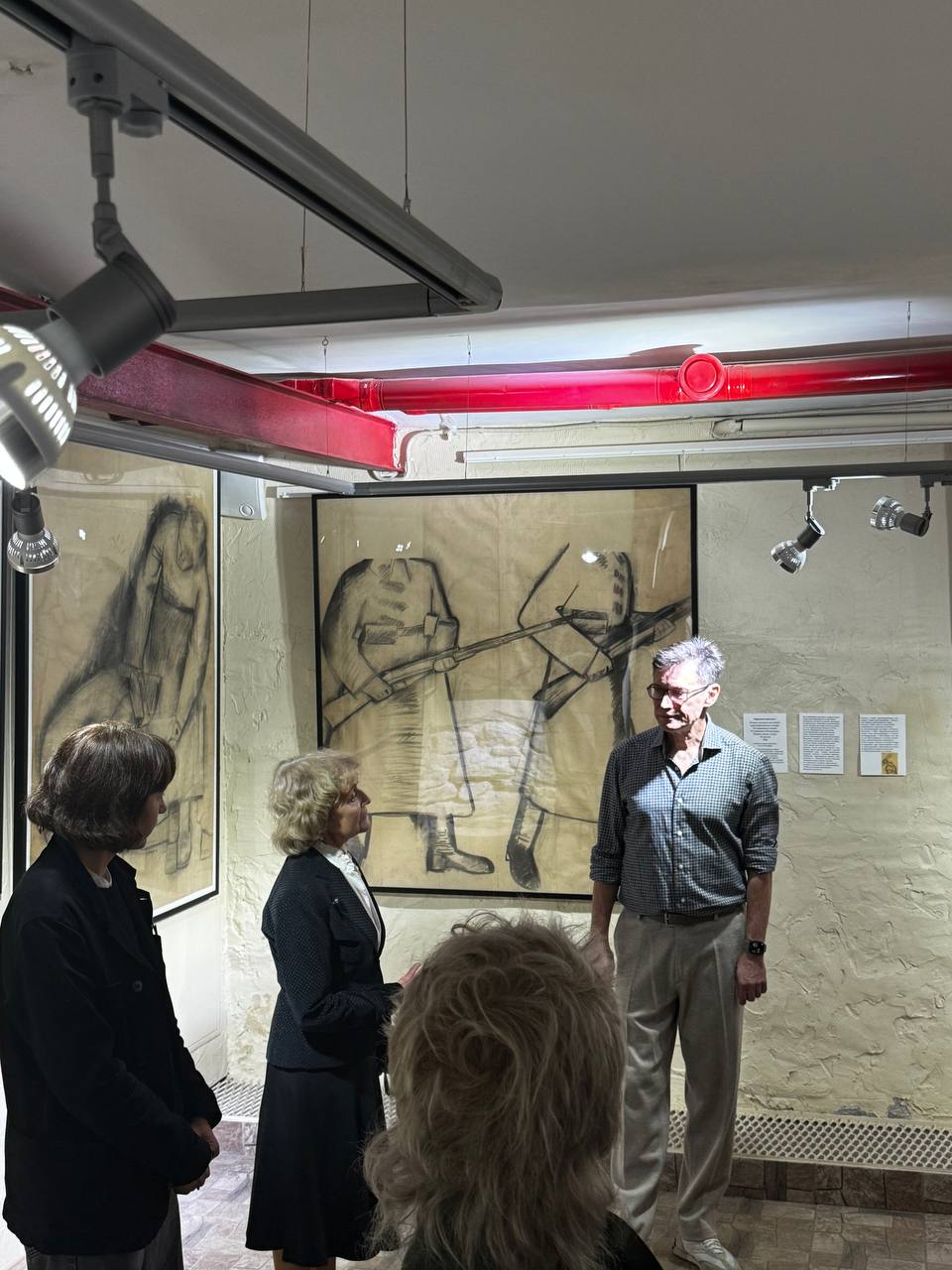
Until 31 December the Galeev Gallery is showing an exhibition of Alexey Fyodorovich Pakhomov, Leningrad graphic artist, book illustrator, painter and porcelain master
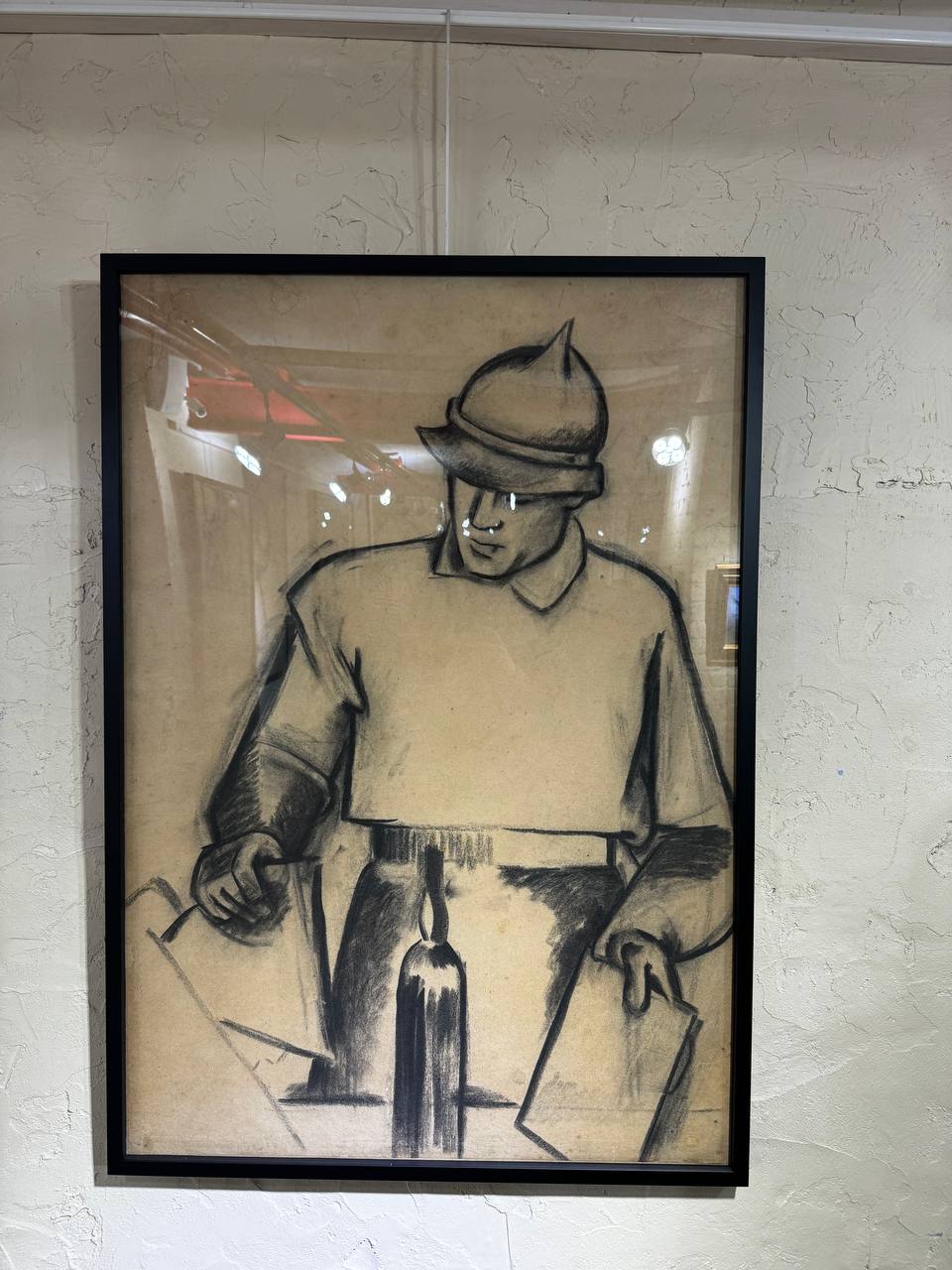
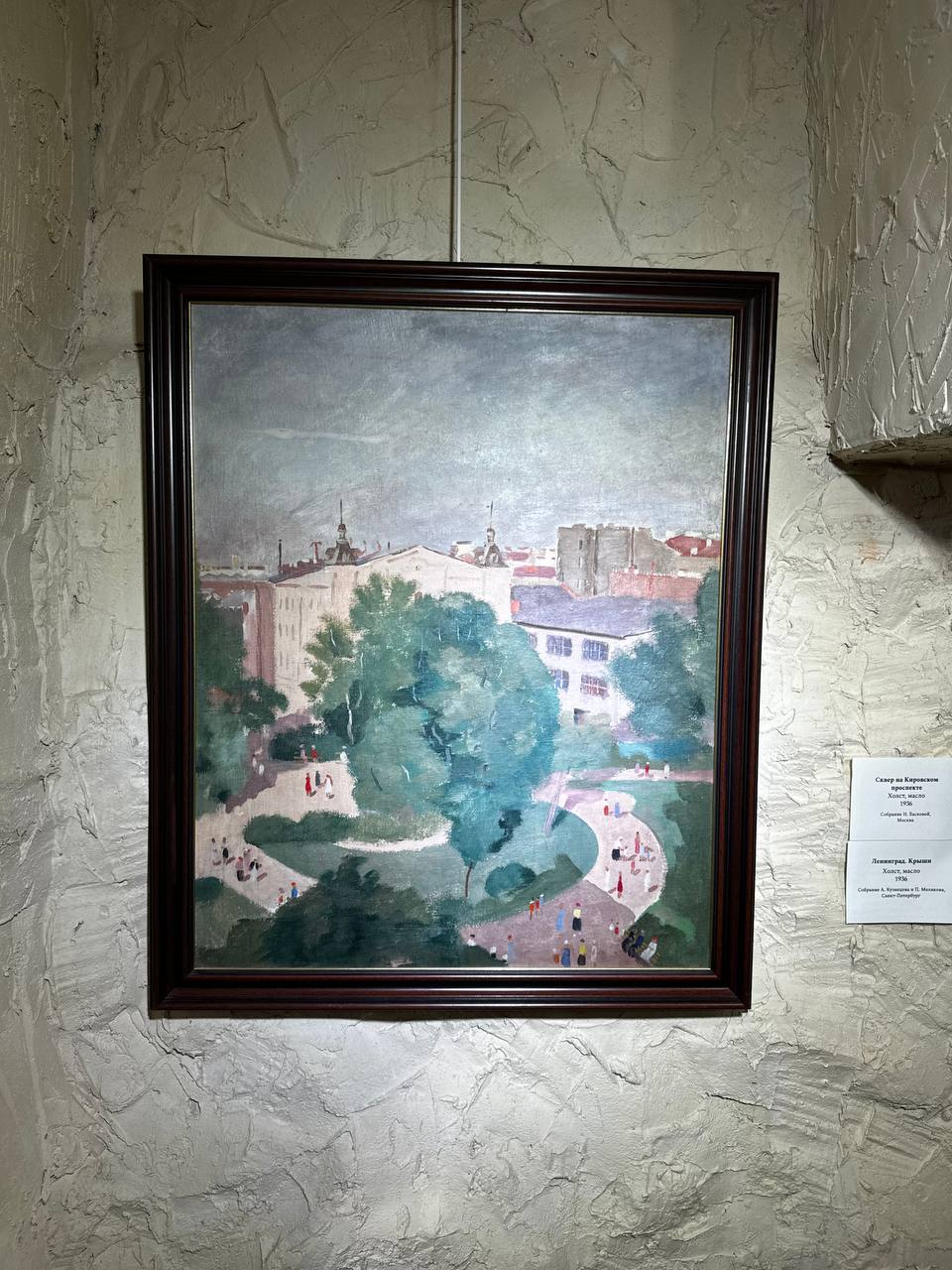
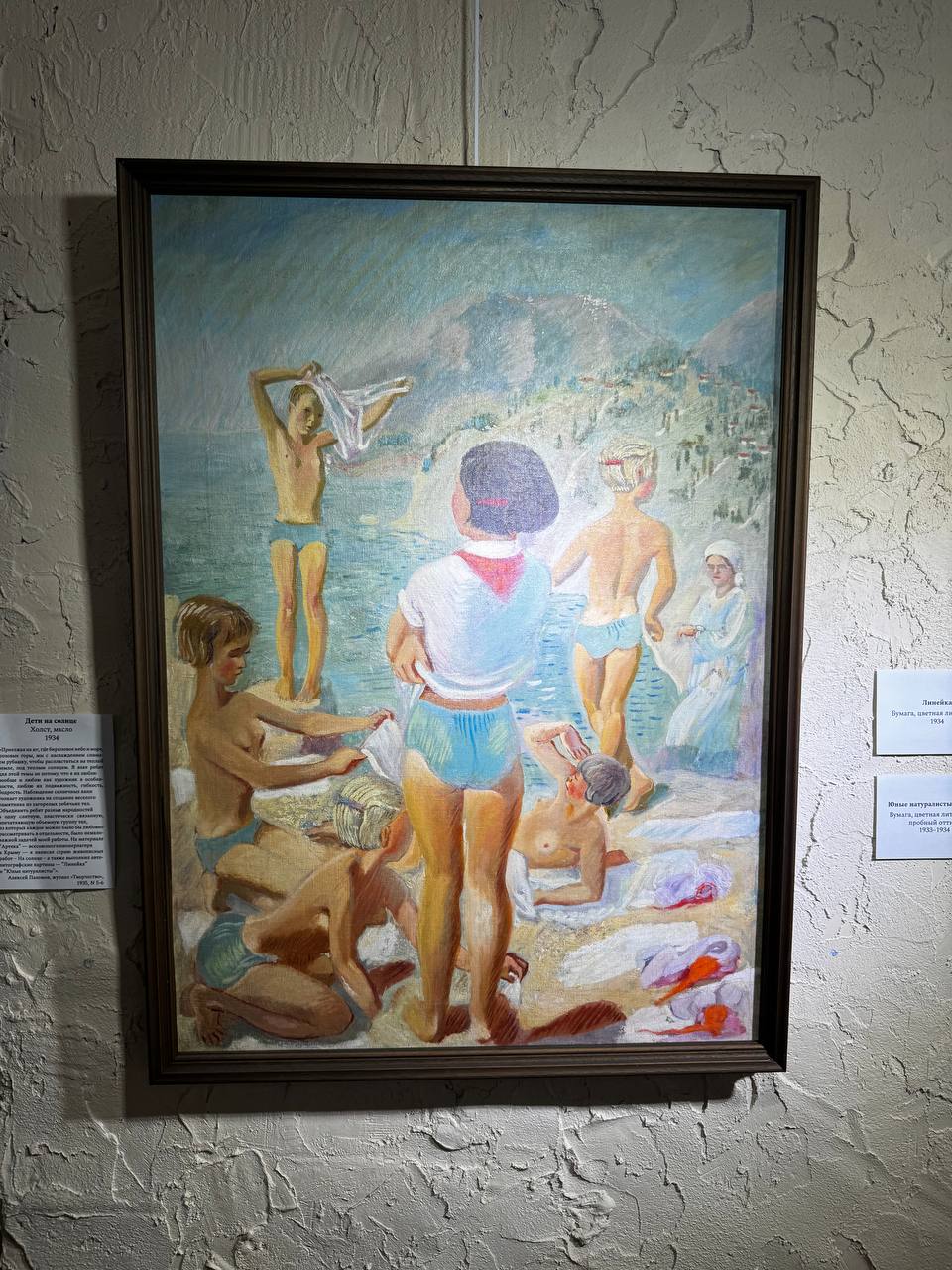
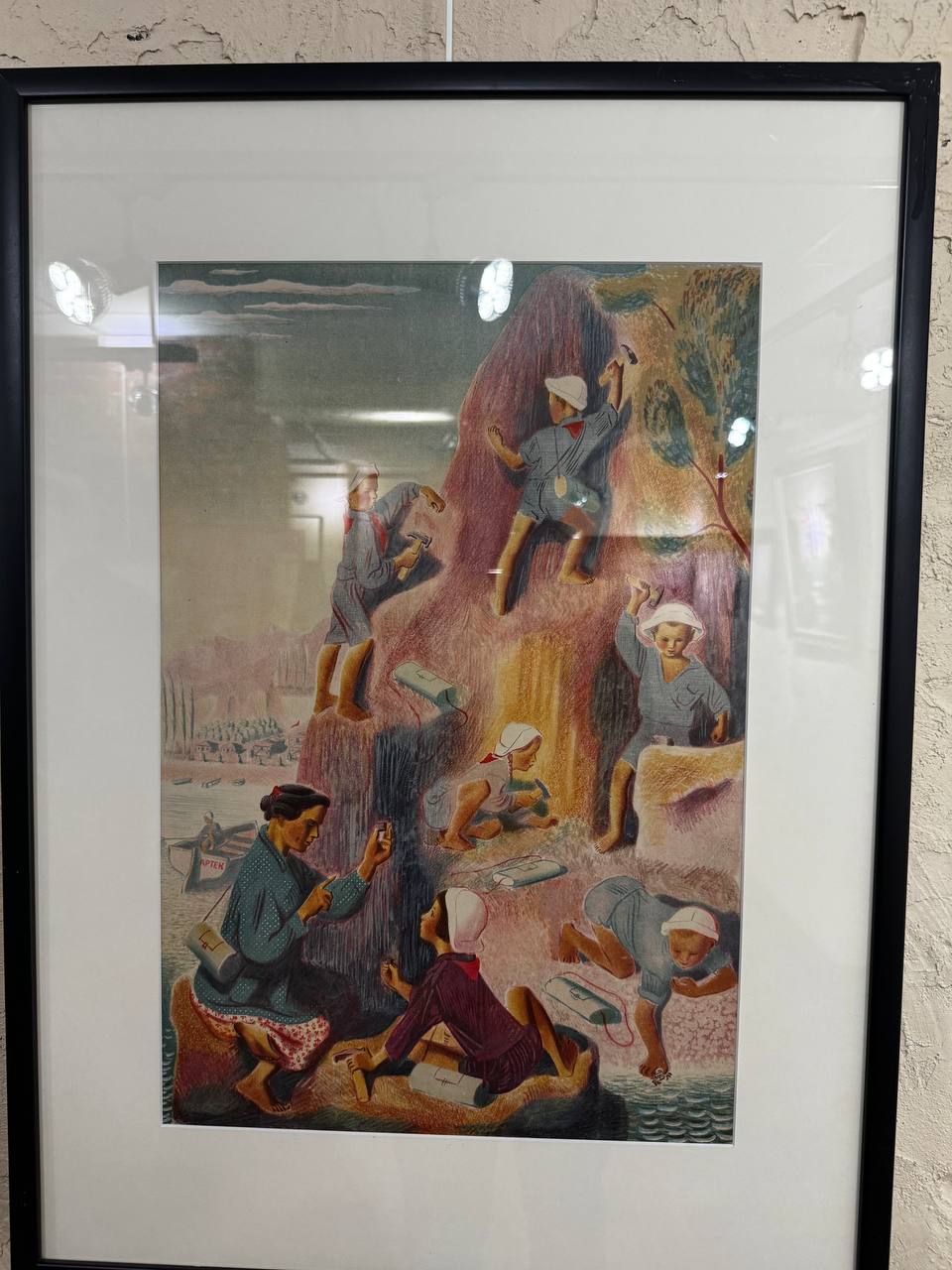
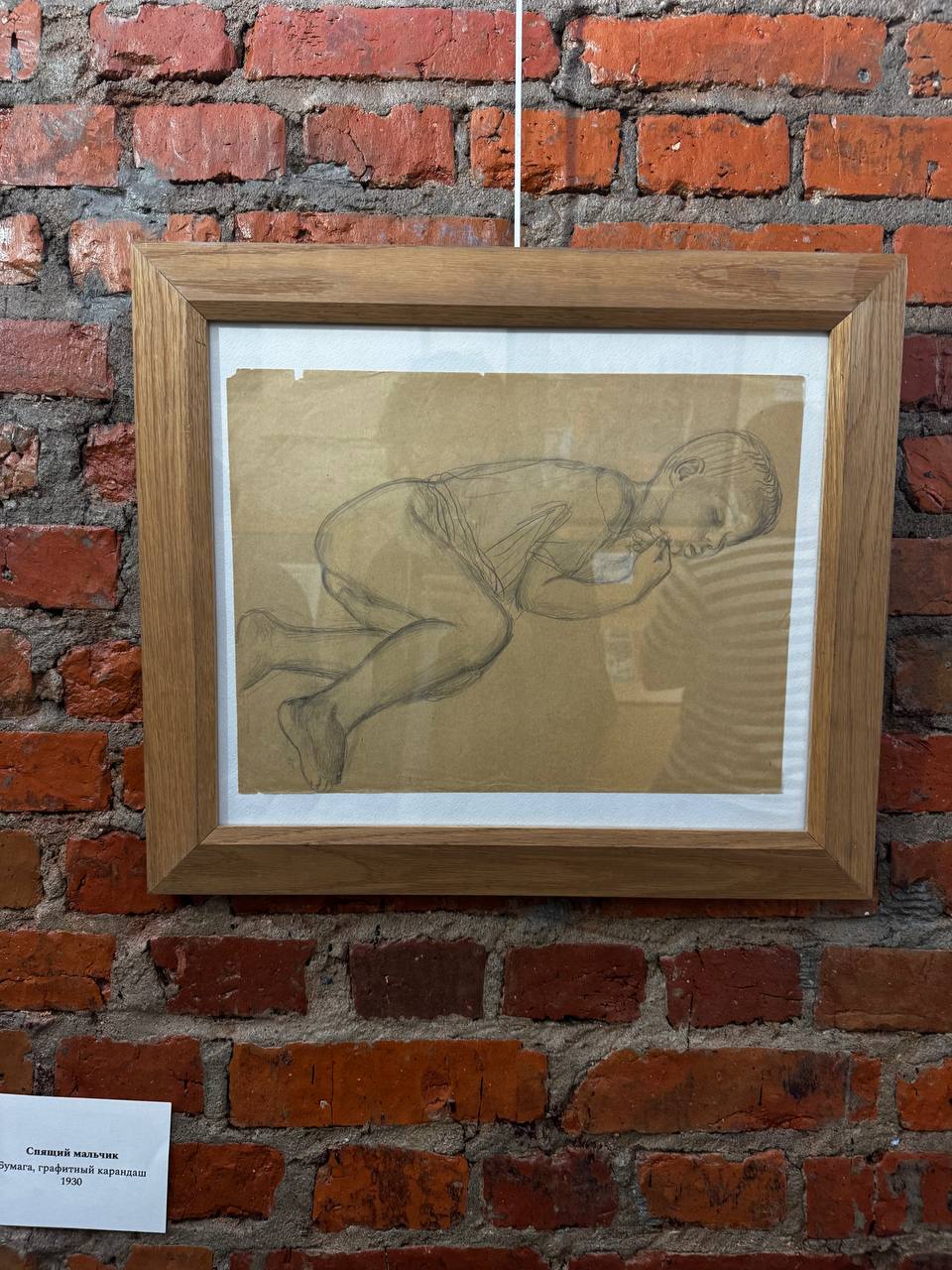
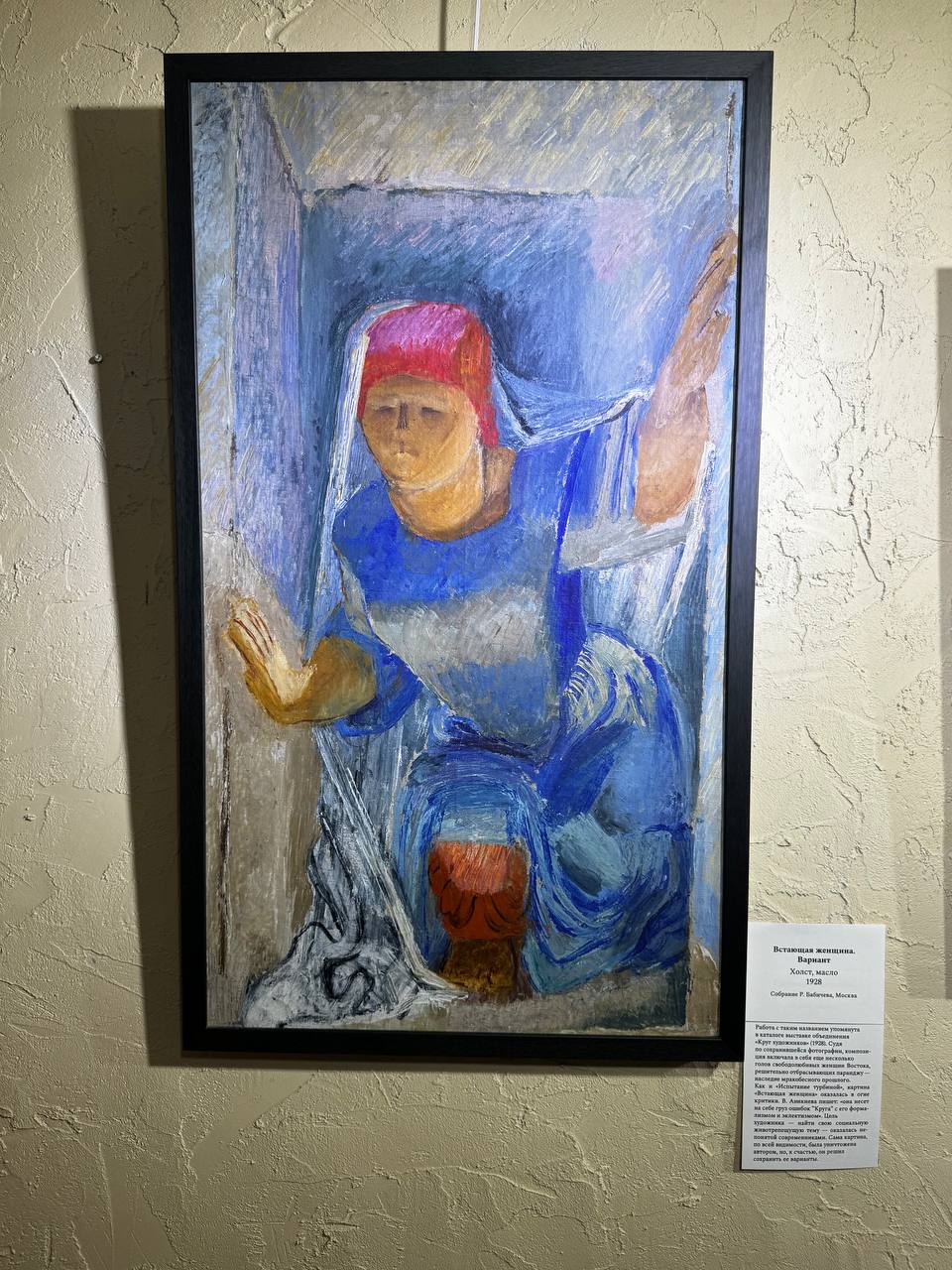
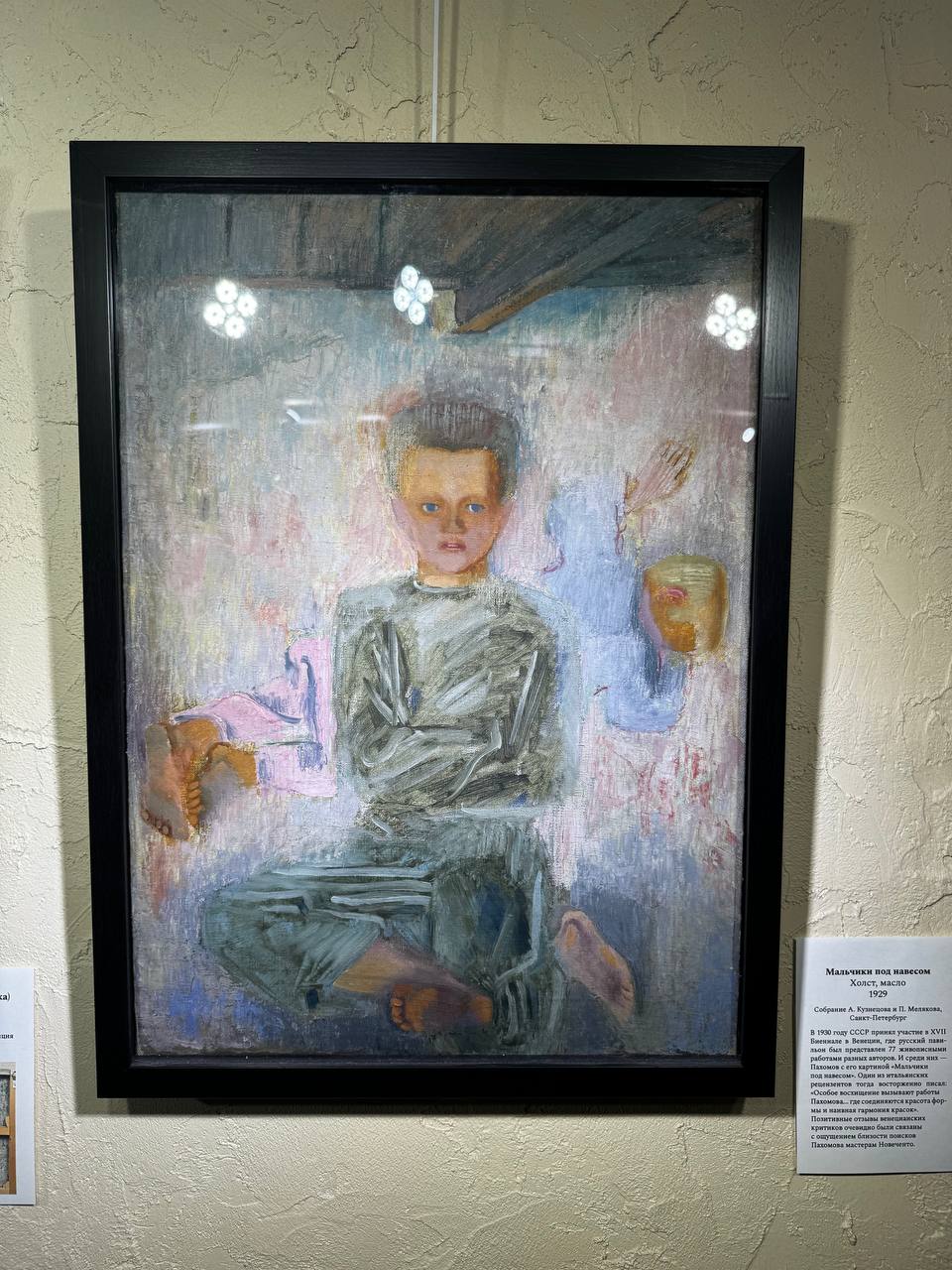
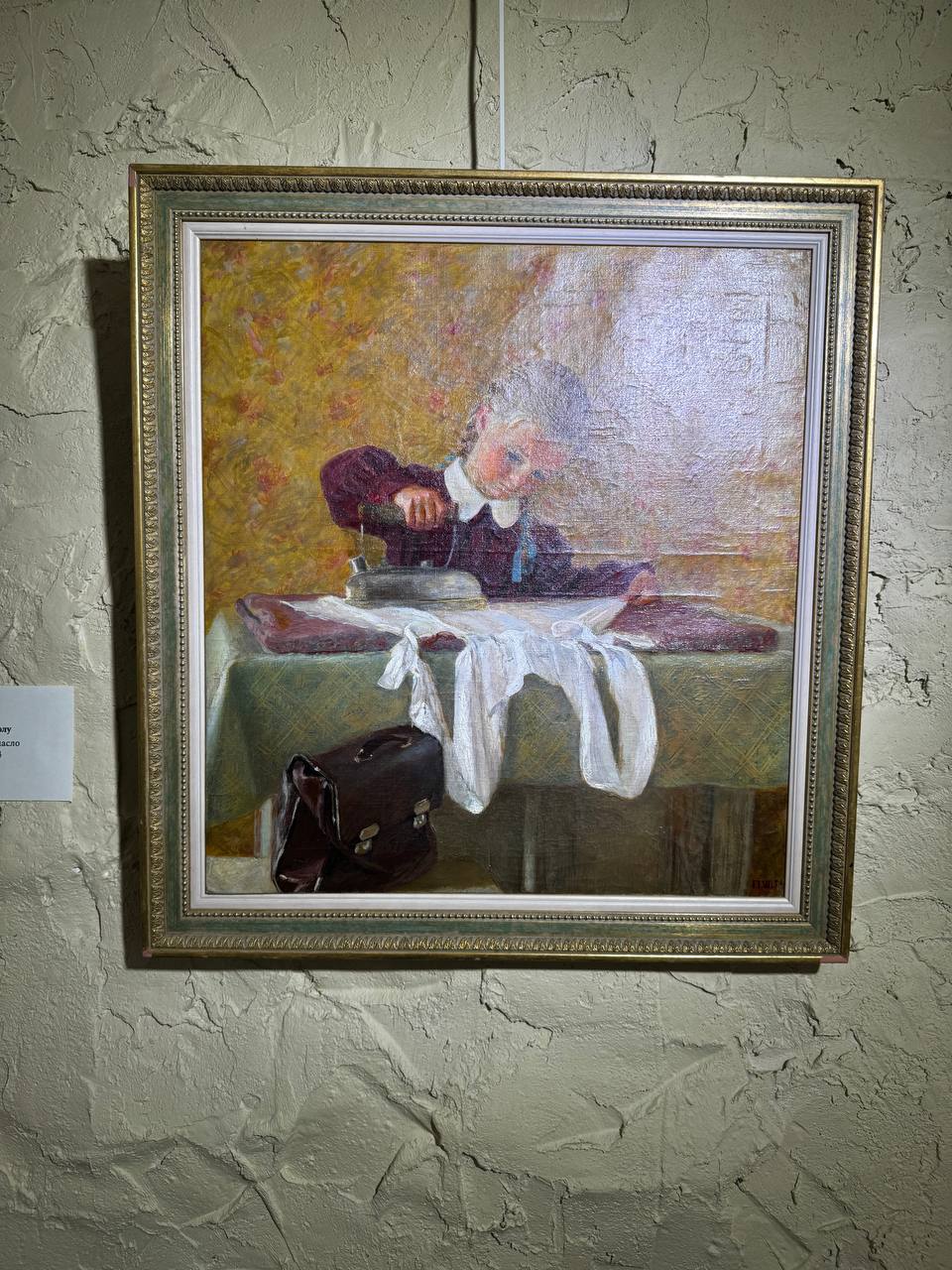
Until 31 December the Galeev Gallery is showing an exhibition of Alexey Fyodorovich Pakhomov, Leningrad graphic artist, book illustrator, painter and porcelain master. The curators, Ildar Galeev and Kasia Denisevich, have for the first time tried to bring together what is usually scattered among museums and family archives: paintings, sketches for monumental murals and book graphics. The porcelain did not fit into the exhibition, but the walls have been given over to sketches for wall friezes that almost nobody has seen.
Pakhomov was born in 1900 and travelled the whole road that fell to the lot of his generation of Leningrad artists: from the avant-garde experiments of the 1920s to post-war Socialist Realism. In 1925 the graduate of the Academy of Arts was invited to the children's department of Gosizdat, where Samuil Marshak and Vladimir Lebedev were at work. For many artists of the time, book design proved a dependable refuge from ideological storms. Pakhomov drew for the magazines Novy Robinzon and Yozh, and illustrated Yevgeny Schwartz's tale “Two Friends: The Collar and the Saddle-Girth” and Alexander Slonimsky's novella “Land Pirates”. He was a virtuoso of black watercolour, achieving tonal depth without colour. The exhibition also offers an unexpected theatrical episode in his biography: a set design for a production of the mid-1920s entitled “Dedicated to Civilisation”, about which nothing more is known.
The fame of the children's illustrator has eclipsed the colourist in Pakhomov. His diploma painting “Haymaking” went in 1931 to an exhibition in the USA and disappeared into a private collection. The Galeev Gallery shows the sketches for it, in which the artist tries out variations of grass. In 1937 his first solo exhibition was held in Leningrad, and the critics fell upon his non-canonical depiction of a Soviet adolescent. Pakhomov took the reproaches seriously and gave up painting. Hence only a handful of his canvases survive; the great museums are proud of them, yet until now no one has attempted to show them together.
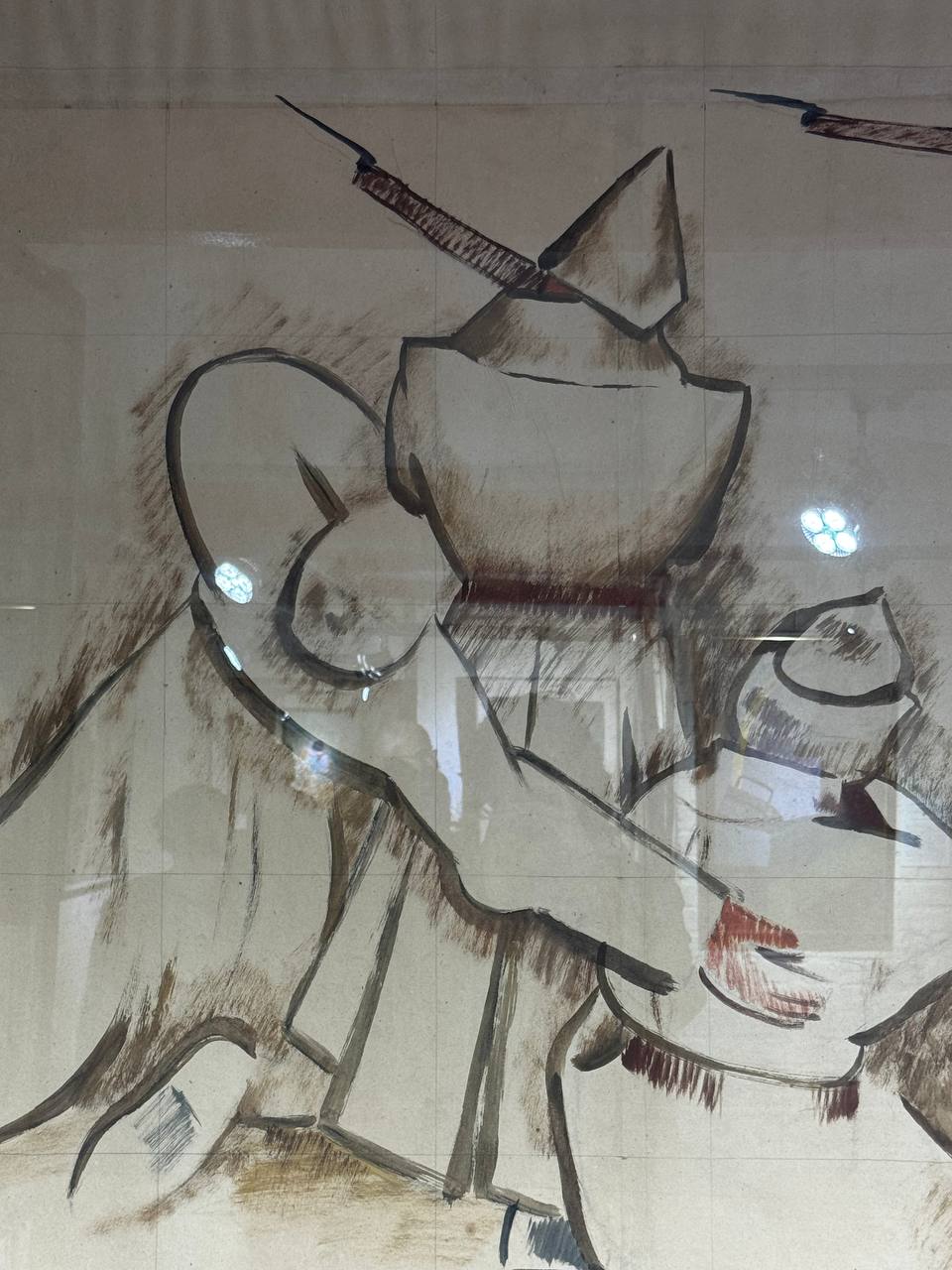
The chief sensation of the exhibition concerns monumental painting. In 1928 architects invited Pakhomov to decorate the children's wing of the House of Culture named after the First Five-Year Plan in Leningrad, and for the games room he conceived a frieze. The large sketch “Round Dance of the Children of All Nations” was kept in the artist's family and is exhibited for the first time after lengthy restoration. The mural itself has not survived. The Constructivist building of the House of Culture was demolished at the suggestion of Valery Gergiev to make room for the New Stage of the Mariinsky Theatre.
During the war Pakhomov did not leave besieged Leningrad and created the series of lithographs “Leningrad in the Days of the Siege”, for which he received the Stalin Prize, second class. Later he illustrated Nekrasov, Turgenev and Leo Tolstoy's Azbuka [ABC Book]. The artist died in 1973.
Address: Bolshoy Kozikhinsky Lane, 19/6, building 1. Admission free, Tuesday to Sunday, 11.00-19.00.