Archaeologist Susan deFrance of the University of Florida describes two naturally mummified dogs found in southern Peru
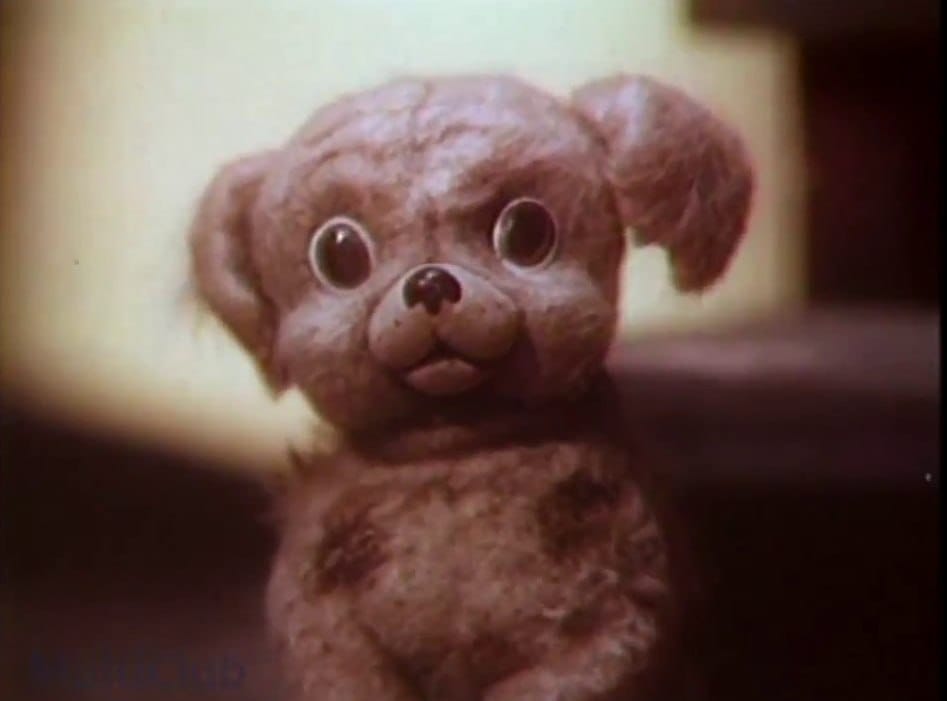
One dog is under a year old, a mottled female; the other is a puppy no more than three months old. The finds are about 1,100 years old. Mummification occurs of its own accord in the dry climate of the region, but what interested the scholars was the context of the burials. The dogs were interred with care, on a woven mat, beside dwellings rather than in a temple or elite zone. Isotopic analysis showed that they ate the same food as the people living nearby, that is, they shared their table and their roof.
From this the author of the article concludes that ordinary, non-noble Tiwanaku families kept dogs as companions and buried them with the same attention they gave to a human being. This was long before the dog in the Andes became a status symbol and a ritual offering, as it is known from later cultures such as the Inca.
The burials were found in a settlement of the Tiwanaku culture, which belonged to a state that, from around 500 to 1100 AD, controlled the territories of present-day southern Peru, northern Chile, north-western Argentina and Bolivia