Diachenko and Groneborn link ornament diversity on ancient pottery to population size
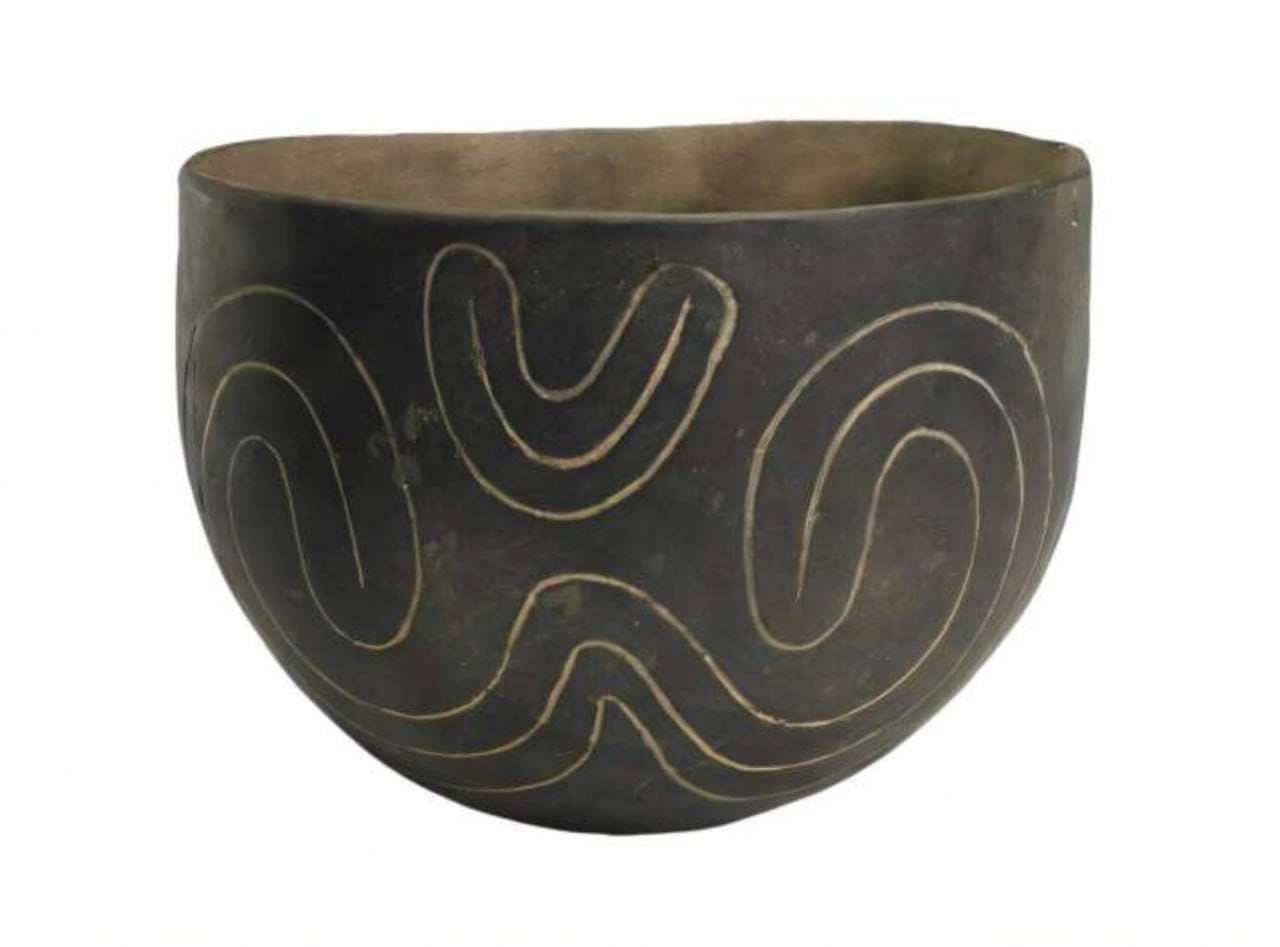
Alexandr Diachenko of the National Academy of Sciences of Ukraine and Detlef Gronenborn of the Leibniz Centre for Archaeology in Mainz have built a mathematical model that links the diversity of pottery ornament to population size, the organisation of pottery production and the exchange of information. They compared the pottery of the Linear Pottery culture in south-western Germany, dating to about 7000 years ago, with that of the Trypillia culture in central Ukraine, dating to about 6000 years ago. Both cultures are named after the characteristic ware and settlements of Europe's first farmers.
In both societies the population first grew rapidly and then declined. In Germany, as society became more complex, the diversity of ornament first increased and then decreased. Among the Trypillians, as society grew more complex, ornament became more uniform, and the authors attribute this to the emergence of specialist potters